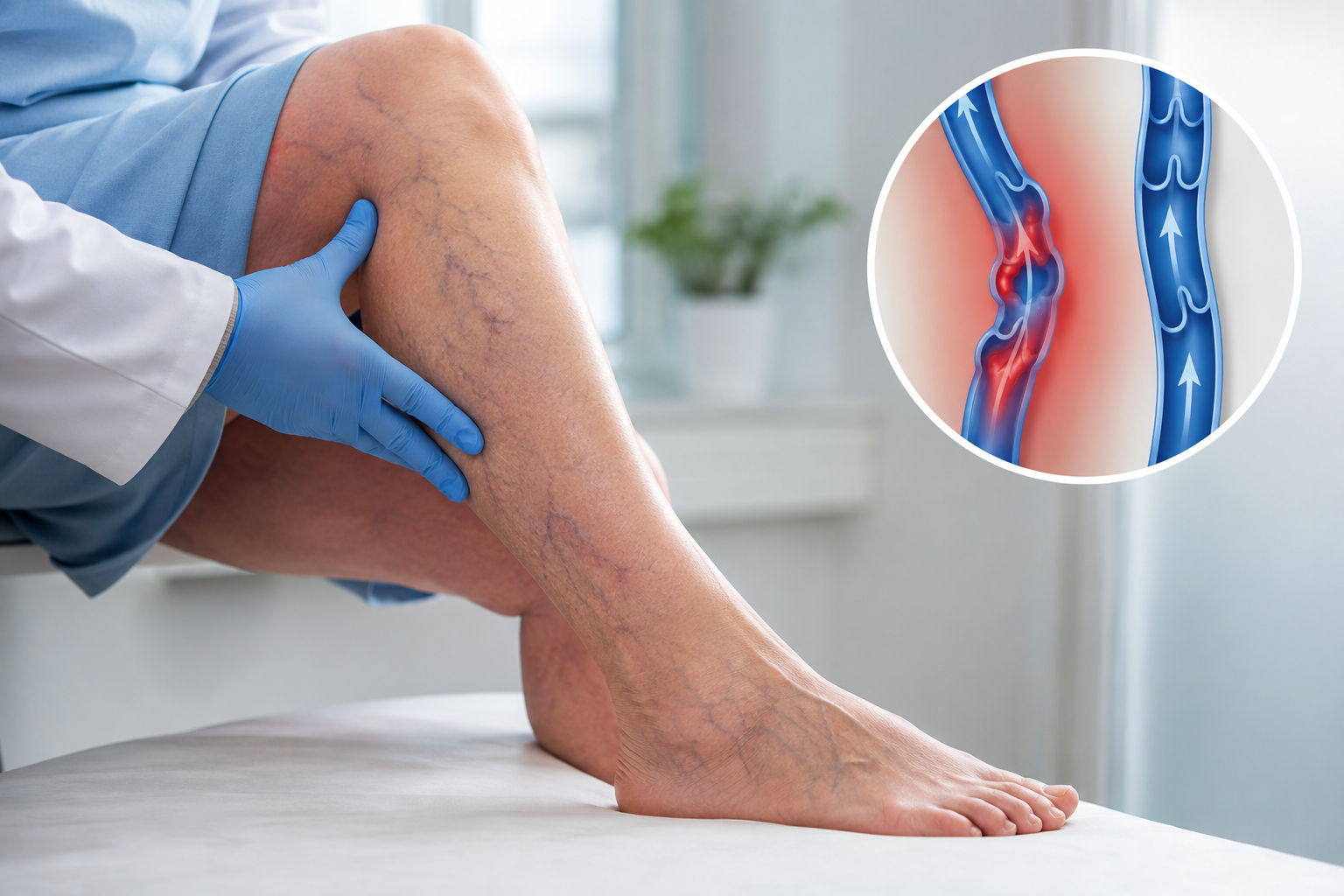
Most people assume aching or tired legs are just part of a busy lifestyle. If you spend long hours standing, sitting at a desk, or moving around throughout the day, it is easy to blame fatigue. But when that heaviness becomes a daily problem, especially if you notice swollen or bulging veins, your body could be warning you about varicose veins.
Many people delay treatment because they believe varicose veins are only a cosmetic issue. In reality, untreated varicose veins can gradually affect your comfort, mobility, and overall quality of life. The good news is that modern surgical and minimally invasive procedures are safe, effective, and help patients return to their routine much faster than traditional surgery.
What Are Varicose Veins?
Varicose veins are enlarged, twisted veins that usually appear on the legs. They develop when the tiny valves inside the veins become weak or damaged. Instead of moving efficiently back toward the heart, blood begins to collect inside the veins, causing them to stretch and become visible beneath the skin.
Although they often appear as blue or purple bulging veins, the condition affects much more than appearance. Poor blood circulation can lead to discomfort and, over time, increase the risk of skin changes, ulcers, or blood clots if left untreated.
Early Signs You Shouldn’t Ignore
Many patients experience symptoms long before visible veins become noticeable. Watch for signs such as:
- Heavy or tired legs after standing for long periods
- Aching, throbbing, or burning pain in the legs
- Swelling around the ankles and feet
- Night-time leg cramps
- Itching around the affected veins
- Skin discoloration near the ankles
- Visible twisted or bulging veins
If these symptoms occur regularly, it is worth consulting a vascular surgeon rather than waiting for the condition to worsen.
Who Is More Likely to Develop Varicose Veins?
Anyone can develop varicose veins, but certain factors increase the risk.
You may be more likely to experience the condition if you:
- Have a family history of varicose veins
- Spend long hours standing or sitting
- Are overweight
- Are over the age of 40
- Are pregnant or have had multiple pregnancies
- Have a sedentary lifestyle
- Have previously suffered a leg injury
These factors place extra pressure on the veins, making it harder for blood to flow efficiently back to the heart.
Can Lifestyle Changes Help?
Lifestyle changes can reduce symptoms and slow the progression of varicose veins, especially in the early stages.
Simple habits include:
- Walking regularly to improve circulation
- Maintaining a healthy body weight
- Elevating your legs after prolonged standing
- Avoiding sitting or standing continuously for long periods
- Wearing compression stockings when advised by your doctor
- Exercising regularly to strengthen the calf muscles
While these measures may improve comfort, they cannot eliminate damaged veins. If symptoms persist, varicose surgery or other minimally invasive procedures may be the most effective solution, depending on your condition.
Modern Varicose Surgery and Minimally Invasive Procedures
One of the biggest misconceptions is that varicose surgery requires major incisions and weeks of recovery.
Today, minimally invasive procedures such as Radiofrequency Ablation (RFA) and Laser Treatment have transformed varicose vein care. These procedures close the affected vein using heat energy delivered through a thin catheter. Blood naturally redirects through healthy veins, improving circulation while reducing pain and swelling.
Benefits of modern varicose surgery include:
- Small incisions with minimal scarring
- Less pain during recovery
- Short hospital stay
- Faster return to daily activities
- High success rates with long-term symptom relief
Most patients are able to walk shortly after the procedure and resume normal activities much sooner than with conventional surgery.
What Happens If Varicose Veins Are Left Untreated?
Ignoring varicose veins can lead to more than just visible, enlarged veins. As the condition progresses, poor blood circulation can increase the risk of several complications that may affect your daily life and overall vascular health.
Some of the possible complications include:
- Venous ulcers: Long-standing varicose veins can cause painful sores, usually around the ankles, that take time to heal and may require specialized wound care.
- Skin pigmentation: Poor circulation can lead to darkening or discoloration of the skin, especially around the lower legs and ankles.
- Bleeding: Because varicose veins are enlarged and lie close to the surface of the skin, even a minor injury can cause significant bleeding.
- Blood clots: In some cases, varicose veins can contribute to superficial vein inflammation or blood clots, which should be evaluated by a doctor promptly.
- Chronic pain and swelling: As the condition worsens, persistent leg pain, heaviness, swelling, and discomfort can make standing or walking for long periods increasingly difficult.
Seeking treatment early can help prevent these complications and improve both your comfort and long-term vein health. If you notice persistent symptoms, consulting a vascular specialist is the best way to determine the most appropriate treatment for your condition.
When Should You See a Doctor?
Don’t wait until the pain becomes severe.
You should schedule a consultation if you notice:
- Persistent leg pain or heaviness
- Increasing swelling
- Skin colour changes around the ankle
- Open sores or ulcers
- Bleeding from a varicose vein
- Sudden redness, warmth, or severe pain in the leg
Early diagnosis often means simpler treatment and a quicker recovery.
Expert Varicose Vein Care at NIMS Micro Hospitals
Recognized for providing advanced varicose surgery in Trivandrum, NIMS Micro Hospitals offers comprehensive evaluation and modern, minimally invasive solutions for varicose veins. With experienced vascular surgeons, advanced technology, and personalized care, the hospital helps patients achieve lasting relief and a faster recovery through advanced varicose surgery. Treatment options such as Radiofrequency Ablation (RFA) and laser procedures are designed to minimize discomfort, reduce recovery time, and help patients return to their daily routine sooner. Every patient undergoes a thorough evaluation to identify the underlying cause of the condition, allowing specialists to recommend the most appropriate treatment plan.
Final Thoughts
Living with leg pain, swelling, or heaviness isn’t something you should simply accept. Varicose veins usually become worse over time, but they are highly treatable when diagnosed early.
If your legs feel unusually tired every day or you’ve noticed bulging veins, don’t ignore the symptoms. Consulting a vascular specialist at the right time can help you understand whether varicose surgery or another minimally invasive procedure is the right option for you, helping you return to a healthier, more comfortable, and active life.