Leg pain that doesn’t go away, swelling around the ankles, or a constant feeling of heaviness after a long day are often brushed aside as signs of fatigue. Many people continue living with these symptoms for months, or even years, believing they are simply part of getting older or having a demanding job.
In many cases, these symptoms are linked to damaged veins that struggle to carry blood efficiently back to the heart. While lifestyle changes may provide temporary relief, they cannot repair veins that have already lost their normal function. Fortunately, advances in vascular care have introduced minimally invasive procedures that offer effective treatment with less discomfort and quicker recovery.
One of the most widely recommended options today is Radiofrequency Ablation (RFA). This modern procedure has transformed the way varicose veins are treated, allowing patients to recover faster without the need for large surgical incisions.
Understanding Radiofrequency Ablation
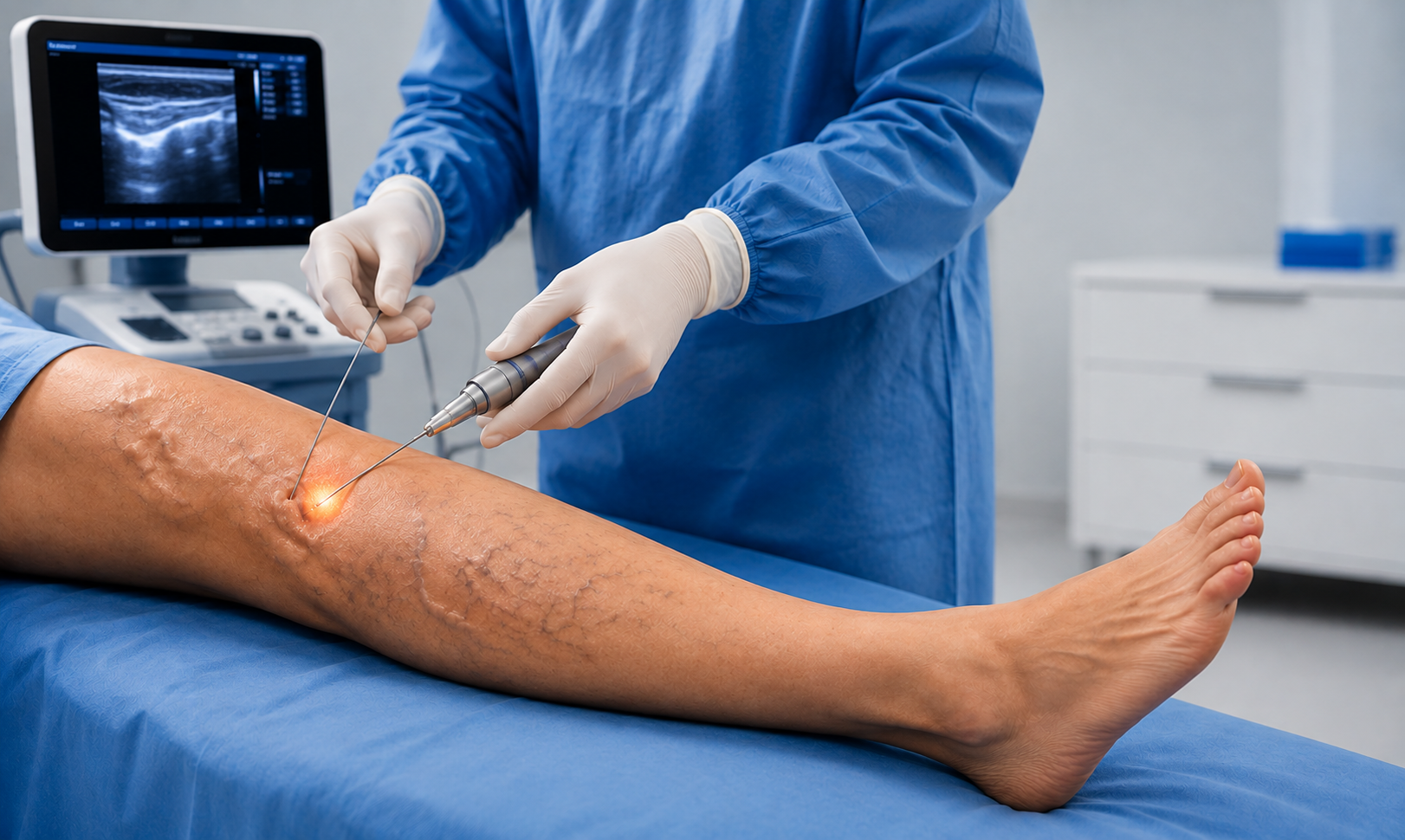
Radiofrequency Ablation, commonly known as RFA, is a minimally invasive procedure used to close unhealthy veins affected by chronic venous disease. Instead of removing the damaged vein, controlled heat generated by radiofrequency energy seals it from the inside.
Once the affected vein is closed, blood naturally flows through nearby healthy veins. Over time, the treated vein is absorbed by the body, improving circulation and reducing symptoms such as pain, swelling, and heaviness.
Because the procedure requires only a tiny incision, patients generally experience less pain and a much shorter recovery period than with conventional vein surgery.
When Is RFA Recommended?
Not every visible vein requires treatment. Many people live with mild vein changes that never become serious. RFA is usually recommended when damaged veins begin affecting daily life or increase the risk of future complications.
A vascular specialist may recommend this advanced vein procedure if you experience:
- Persistent aching or throbbing in the legs
- Swelling that worsens throughout the day
- Heavy or tired legs after standing
- Enlarged or twisted veins beneath the skin
- Skin discoloration around the ankles
- Recurring inflammation of superficial veins
- Venous ulcers caused by poor circulation
Before recommending treatment, the specialist typically performs a clinical examination along with a Doppler ultrasound scan to evaluate blood flow and identify the affected veins.
How Does the Procedure Work?
Many patients imagine vein treatment as a major operation requiring stitches and a lengthy hospital stay. In reality, the RFA procedure is much simpler.
The treatment generally involves the following steps:
- The treatment area is cleaned and local anaesthesia is administered.
- A small catheter is inserted into the affected vein using ultrasound guidance.
- Radiofrequency energy is delivered through the catheter.
- The heat gently seals the damaged vein.
- The catheter is removed, and a small dressing is applied.
Since blood automatically reroutes through healthy veins, circulation improves without affecting the body’s normal blood supply.
Most procedures are completed within an hour, depending on the number and size of the veins being treated.
Benefits of Choosing RFA
The growing popularity of this minimally invasive vein procedure is due to the many advantages it offers over conventional surgery.
Some of the key benefits include:
- Minimal discomfort during the procedure
- Tiny incision with little to no scarring
- Reduced blood loss
- Lower risk of infection
- Faster recovery
- Short hospital stay
- Quicker return to work and daily activities
- Long-lasting symptom relief
- Improved cosmetic appearance of the legs
These benefits make RFA a preferred option for many patients seeking effective treatment without prolonged downtime.
What Can You Expect After the Procedure?
Recovery is usually straightforward.
Most patients are encouraged to walk shortly after the procedure, as gentle movement helps improve circulation and reduces the risk of complications.
Your doctor may advise you to:
- Wear compression stockings for a recommended period
- Walk for 20 to 30 minutes each day
- Avoid prolonged standing or sitting
- Refrain from heavy lifting for a few days
- Attend follow-up appointments to monitor healing
Mild bruising, tightness, or tenderness around the treated area is common and generally resolves within a short period.
Many patients return to office work within one or two days, while those with physically demanding jobs may require slightly more recovery time.
Is RFA Better Than Conventional Surgery?
Traditional vein surgery has helped many patients over the years, but modern vascular procedures have significantly improved the treatment experience.
Unlike conventional surgery, RFA does not require large incisions or removal of the entire vein. This often results in:
- Less post-procedure pain
- Smaller scars
- Reduced hospital stay
- Faster healing
- Lower disruption to everyday life
The best treatment option ultimately depends on the severity of the condition, the size of the affected veins, and the patient’s overall health. A vascular surgeon can recommend the most suitable approach after a detailed evaluation.
Who May Not Be a Suitable Candidate?
Although RFA is highly effective, it may not be appropriate for everyone.
Alternative treatment options may be considered for patients who have:
- Certain types of deep vein disease
- Active infections near the treatment area
- Severe peripheral arterial disease
- Specific medical conditions requiring a different treatment approach
A detailed assessment helps determine whether this procedure is the safest and most effective choice.
Common Myths About RFA
“It’s a painful procedure.”
Most patients report only mild discomfort because the procedure is performed under local anaesthesia.
“Recovery takes several weeks.”
Many individuals resume normal daily activities within a day or two, depending on their occupation.
“The treated vein is important.”
Once the diseased vein is sealed, healthy veins naturally take over its function, improving overall circulation.
“Only elderly people develop varicose veins.”
Varicose veins can affect adults of different ages, especially those with a family history, sedentary lifestyles, obesity, pregnancy, or occupations that involve prolonged standing.
How Can You Protect Your Vein Health?
Treatment is only one part of long-term vein care.
Healthy habits can help maintain good circulation and reduce the risk of future vein problems.
Consider:
- Staying physically active
- Maintaining a healthy body weight
- Walking regularly
- Avoiding sitting or standing for long periods
- Elevating your legs after a busy day
- Wearing compression stockings if recommended by your doctor
- Drinking enough water throughout the day
These simple measures support healthy blood flow and complement medical treatment.
Advanced Vein Care at NIMS Micro Hospitals
NIMS Micro Hospitals provides advanced vascular care using modern, minimally invasive techniques for the management of varicose veins. Experienced vascular surgeons perform Radiofrequency Ablation (RFA) with a patient-centered approach, focusing on accurate diagnosis, personalized treatment planning, and faster recovery. Supported by advanced diagnostic facilities and modern technology, the hospital is committed to delivering safe, effective, and comfortable care for patients seeking advanced varicose vein procedures in Trivandrum.
Final Thoughts
Living with aching, swollen, or heavy legs should never be considered normal. These symptoms often indicate an underlying vein problem that deserves medical attention.
Modern procedures such as Radiofrequency Ablation have changed the way damaged veins are treated, offering patients an effective solution without the prolonged recovery associated with traditional surgery.
If you’ve been experiencing persistent symptoms or have noticed visible changes in your veins, consulting an experienced vascular specialist is the first step toward restoring healthy circulation and improving your quality of life. Early diagnosis and timely treatment can make a meaningful difference, helping you stay active, comfortable, and confident for years to come.