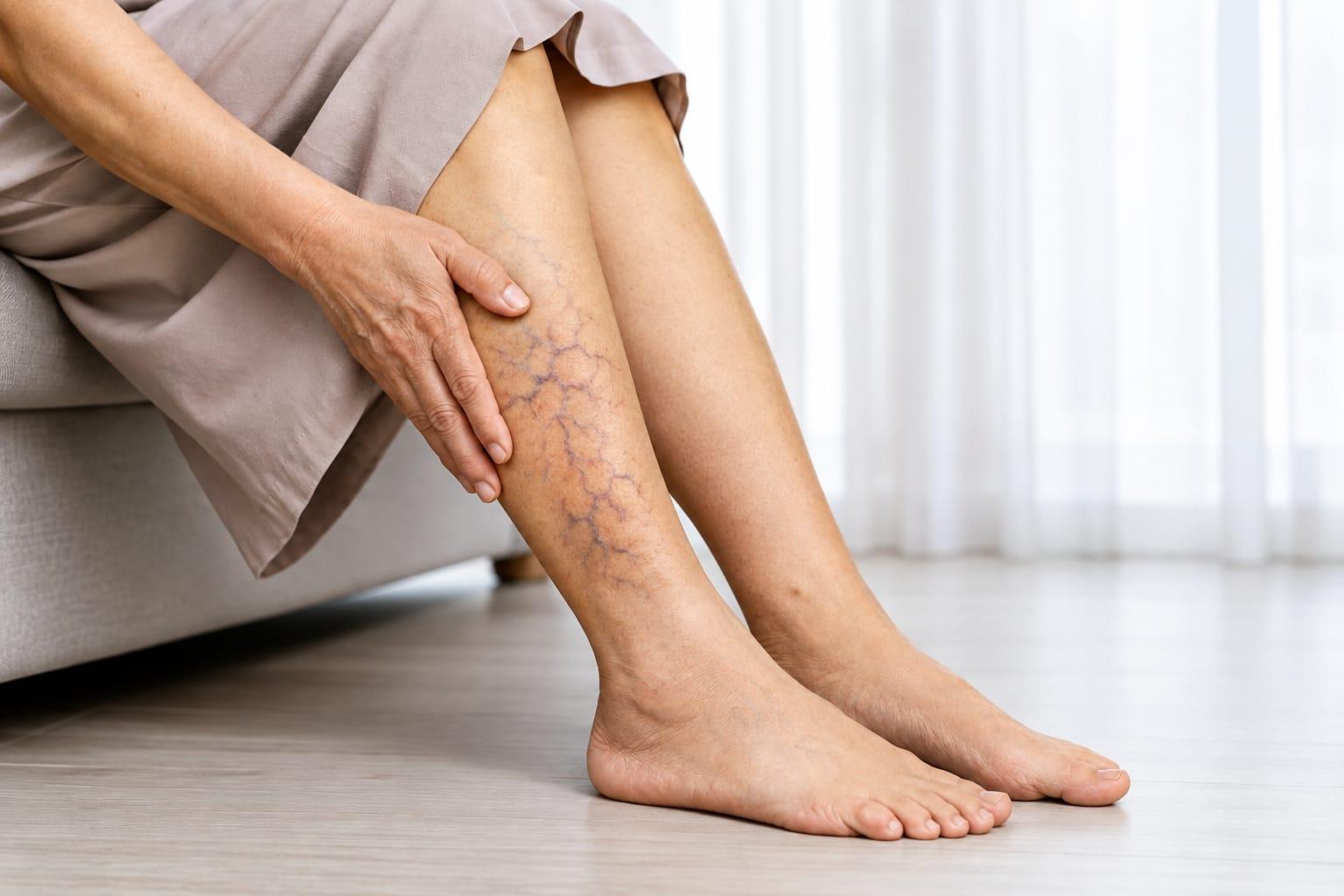
Most people don’t notice vein disease overnight. It usually begins with subtle changes that are easy to dismiss. A feeling of heaviness after work, occasional swelling around the ankles, or mild leg pain may seem harmless at first. Many assume these symptoms are simply the result of a long day, aging, or lack of rest.
The reality is that these early warning signs can indicate that the veins in your legs are struggling to circulate blood efficiently. When ignored, the condition can gradually worsen, affecting not only your comfort but also your overall vascular health.
Recognizing these symptoms early allows you to seek medical advice before complications develop. Here are ten warning signs you should never overlook.
1. Persistent Heaviness in the Legs
One of the earliest symptoms people notice is a constant feeling of heaviness in the legs. Many describe it as though they are carrying extra weight, especially after standing or walking for long periods.
This sensation usually improves after resting or elevating the legs, but if it becomes a daily occurrence, it may indicate that blood is not flowing efficiently through the veins.
2. Aching or Throbbing Leg Pain
Not all leg pain is related to muscles or joints. Vein-related discomfort often appears as a dull ache, throbbing sensation, or burning feeling that becomes worse toward the end of the day.
Unlike muscle soreness that improves with stretching, this type of pain is usually linked to poor circulation and tends to return regularly.
3. Swollen Feet and Ankles
Occasional swelling after extensive walking can be normal. Persistent swelling, particularly around the ankles, deserves attention.
When vein valves weaken, fluid may accumulate in the lower legs, causing noticeable swelling. This symptom often becomes more pronounced during warm weather or after prolonged standing.
4. Visible Twisted or Enlarged Veins
One of the most recognizable signs is the appearance of enlarged veins beneath the skin.
These veins may look blue, purple, or dark green and often become twisted or raised. Although some people are concerned mainly about their appearance, visible veins frequently indicate an underlying circulation problem that should be evaluated by a vascular specialist.
5. Frequent Night-Time Leg Cramps
Many people experience occasional leg cramps while sleeping. If cramps become frequent, especially in the calves, poor vein function may be contributing to the problem.
Reduced circulation can increase muscle fatigue, leading to painful cramps during the night that interrupt sleep.
6. Itching Around the Lower Legs
Persistent itching near visible veins is another symptom people rarely associate with vein disease.
Poor blood circulation may irritate the surrounding skin, leading to dryness and continuous itching. Scratching the area repeatedly can damage the skin and increase the risk of infection.
If moisturizers do not improve the condition, a medical evaluation is advisable.
7. Skin Colour Changes
Healthy skin around the ankles should maintain a consistent colour.
When circulation becomes impaired, the skin may gradually turn reddish-brown or darker than the surrounding area. These changes usually develop slowly and often go unnoticed until they become more obvious.
Skin discoloration is often a sign that the condition has progressed beyond its earliest stage.
8. Legs That Feel Tired Every Day
Feeling exhausted after an active day is expected. Feeling that way every single day, even after routine activities, is different.
Many patients report that their legs become unusually tired after standing for relatively short periods. They may also notice that symptoms improve when the legs are elevated above heart level.
Recurring fatigue in the legs should not be ignored.
9. Restlessness and Burning Sensation
Some individuals experience an uncomfortable burning, tingling, or restless feeling in the legs, particularly during the evening.
These sensations are often mistaken for general fatigue, but they may be related to increased pressure inside damaged veins.
If the discomfort regularly interferes with relaxation or sleep, it is worth discussing with a vascular specialist.
10. Slow-Healing Sores Near the Ankles
One of the most important warning signs is the development of wounds or sores around the ankles that heal slowly.
Poor circulation limits the delivery of oxygen and nutrients needed for proper healing. These wounds, known as venous ulcers, require prompt medical attention and should never be treated as ordinary cuts.
Seeking treatment before ulcers develop is always the better approach.
Why Early Diagnosis Makes a Difference
Many people postpone medical consultation because the symptoms seem minor. Unfortunately, vein disease is progressive.
Ignoring the warning signs may increase the likelihood of complications such as:
- Chronic swelling
- Skin thickening and pigmentation
- Bleeding from enlarged veins
- Venous ulcers
- Superficial blood clots
- Persistent pain that affects daily activities
Early diagnosis allows doctors to recommend appropriate treatment before the condition becomes more advanced.
How Are Vein Problems Diagnosed?
Diagnosing vein disease is usually straightforward.
A vascular specialist begins with a detailed discussion of your symptoms and medical history, followed by a physical examination.
To understand how blood is flowing through the veins, a Doppler ultrasound is commonly performed. This painless imaging test identifies damaged vein valves and helps determine the most appropriate management plan.
Because the scan provides a clear picture of blood flow, it plays an important role in selecting the right treatment.
Modern Treatment Options
Many people still believe vein treatment requires major surgery and weeks away from work.
Today’s treatment options are significantly different.
Depending on the severity of the condition, your doctor may recommend:
- Lifestyle modifications
- Compression stockings
- Minimally invasive vein procedures
- Radiofrequency Ablation (RFA)
- Endovenous laser procedures
- Other advanced vascular interventions
These modern techniques focus on treating the affected veins with minimal discomfort, smaller incisions, and faster recovery compared with conventional surgery.
Can You Prevent the Condition from Getting Worse?
Although some risk factors such as age and family history cannot be changed, healthy habits can slow disease progression and improve circulation.
Simple measures include:
- Walking every day
- Maintaining a healthy weight
- Avoiding prolonged standing or sitting
- Elevating the legs after long hours of activity
- Staying physically active
- Wearing compression stockings when recommended
- Drinking enough water
- Avoiding smoking
These habits support healthy veins and complement professional medical care.
Final Thoughts
The earliest signs of vein disease are often easy to ignore because they develop gradually. A little swelling, occasional pain, or tired legs may not seem serious today, but they can become more troublesome if left untreated.
Listening to your body is the first step toward protecting your long-term vascular health. If several of these symptoms have become part of your daily routine, don’t assume they’re simply caused by age or a busy lifestyle.
Early diagnosis allows doctors to recommend the right treatment before the condition progresses further. Today, advanced varicose vein procedures in Trivandrum, including minimally invasive options such as Radiofrequency Ablation (RFA) and laser therapy, make treatment safer, more comfortable, and quicker than ever before.
If you’re experiencing persistent symptoms, consult the experienced vascular specialists at NIMS Micro Hospitals. With advanced diagnostic facilities, modern treatment options, and personalized patient care, the hospital is committed to helping patients achieve healthier circulation and a better quality of life.