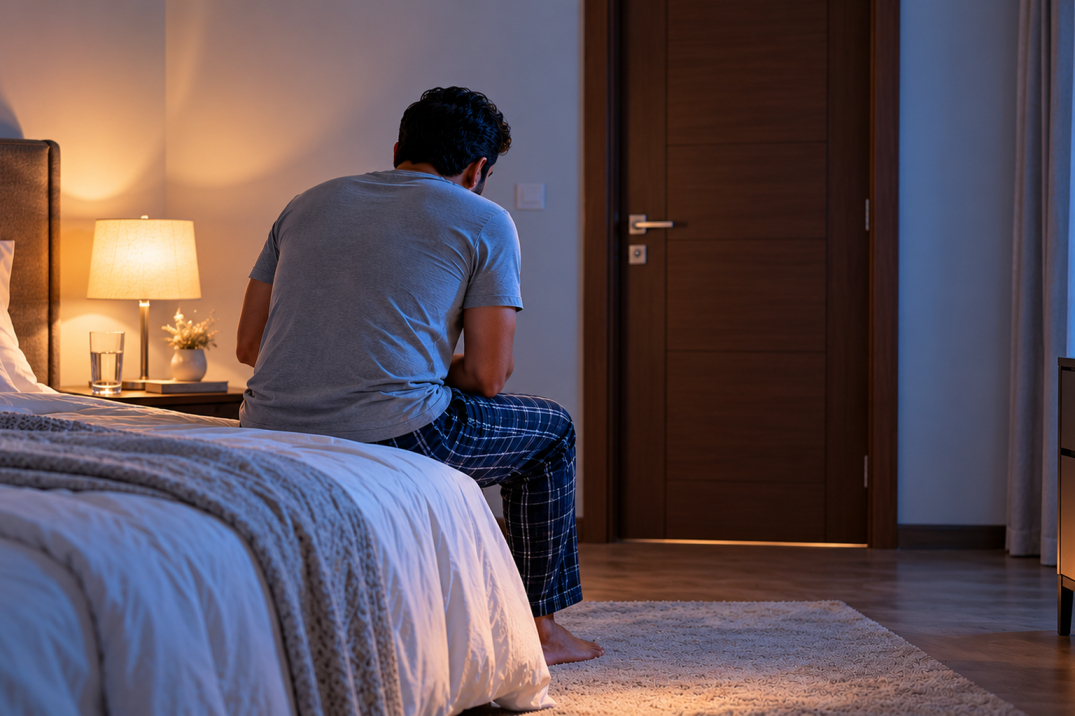
Waking up in the middle of the night to use the toilet can interrupt sleep and leave you feeling tired the following morning. While an occasional trip to the bathroom may not be unusual, repeatedly waking up to urinate can become frustrating, especially when it affects your rest every night.
This problem is known medically as nocturia. It can occur for several reasons, ranging from drinking fluids late in the evening to changes in bladder function or an underlying health condition. In some people, the problem is related to diabetes, urinary tract infections, prostate enlargement or medicines that increase urine production.
Understanding why night-time urination occurs is important because the appropriate solution depends on its underlying cause. Simple changes to daily habits may help some people, while others may need medical assessment and specific treatment.
What Is Nocturia?
Nocturia refers to waking from sleep to pass urine during the night. It differs from frequent urination during the daytime because it specifically involves interruptions to sleep for a bathroom visit.
The experience varies from person to person. Some individuals wake once and return to sleep easily, while others may need to get up several times and struggle to fall asleep again.
Repeated interruptions can affect sleep quality, concentration, mood and energy levels. Older adults may also face an increased risk of falls when walking to the bathroom in the dark.
Night-time urination is a symptom rather than a disease on its own. Identifying the reason behind it is therefore more useful than simply trying to reduce the number of bathroom visits.
Why Do You Need to Urinate Frequently at Night?
Several factors can contribute to nocturia. The following are some common possibilities.
1. Drinking Too Much Fluid Before Bedtime
One of the simplest explanations for waking up to urinate is consuming large amounts of fluid during the evening. When you drink close to bedtime, your kidneys continue processing that fluid, which may increase the need to empty your bladder while you sleep.
Late-night tea, coffee and other caffeinated beverages may also contribute. Caffeine can affect bladder symptoms and sleep, making some people more likely to wake during the night.
What can help?
Try spreading your fluid intake throughout the day rather than drinking a large amount just before going to bed. If you regularly drink tea or coffee in the evening, consider having it earlier.
However, do not severely restrict your water intake to avoid using the toilet. Your body still needs adequate hydration, and fluid requirements vary according to your health, activity and climate.
If the problem continues despite reasonable changes to your evening routine, another cause may need to be investigated.
2. Diabetes and Elevated Blood Sugar
Frequent urination, including during the night, can sometimes be associated with diabetes. When blood glucose levels become too high, the kidneys may remove excess glucose through urine. This can increase urine production and lead to greater fluid loss.
Some people may also notice unusual thirst, tiredness, blurred vision or unexplained weight loss. These symptoms do not confirm diabetes by themselves, but they should not be ignored when they occur together.
If you are urinating more frequently than usual and feeling unusually thirsty, a healthcare professional may recommend blood glucose testing.
People already diagnosed with diabetes should discuss persistent changes in urination with their treating doctor. Better management of blood glucose may help when high sugar levels are contributing to the problem.
3. An Enlarged Prostate in Men
The prostate is a gland located below the bladder that surrounds part of the urethra, the passage through which urine leaves the body. As men grow older, the prostate may enlarge. This condition is known as benign prostatic hyperplasia, or BPH.
An enlarged prostate can narrow the urinary passage and make it difficult for the bladder to empty completely. As a result, a person may feel the need to urinate more frequently, including during the night.
Other symptoms may include:
- A weak or interrupted urine stream.
- Difficulty getting the flow started.
- Taking longer than usual to pass urine.
- Dribbling after urination.
- Feeling that the bladder has not emptied fully.
- An urgent need to reach the toilet.
These symptoms can have causes other than prostate enlargement, so they require proper assessment rather than self-diagnosis.
A doctor may evaluate urinary symptoms and recommend further investigations depending on the person’s age, medical history and examination findings.
4. Urinary Tract Infections
A urinary tract infection (UTI) can irritate the bladder and create a frequent or urgent need to pass urine. Someone with an infection may feel the urge to visit the toilet repeatedly, even when only a small amount of urine is passed.
Possible symptoms include:
- Burning or discomfort during urination.
- Pain or pressure in the lower abdomen.
- Cloudy urine or urine with an unusual smell.
- A sudden increase in urinary urgency.
- Blood in the urine.
Fever, chills, pain in the back or side, or vomiting may indicate a more serious infection and require prompt medical attention.
If frequent urination begins suddenly and is accompanied by pain or burning, arrange a medical assessment. A urine test may be recommended to check for infection.
Avoid taking leftover antibiotics or starting treatment without medical advice. The correct treatment depends on the cause and the person’s clinical circumstances.
5. An Overactive Bladder
An overactive bladder can cause a sudden, difficult-to-control urge to urinate. The urge may occur even when the bladder contains relatively little urine.
People with this condition may experience frequent bathroom visits during the day, repeated waking at night or occasional leakage before reaching the toilet.
Overactive bladder is not the only explanation for urgency. Urinary infections and other bladder conditions can produce similar symptoms, so a medical assessment is important before deciding on treatment.
Depending on the findings, management may involve changes to bladder habits, guided bladder training, pelvic floor support or medication prescribed by a clinician.
6. Medicines That Increase Urine Production
Certain medicines can increase the amount of urine your body produces. Diuretics, sometimes called water tablets, are commonly prescribed for conditions such as high blood pressure or fluid retention.
If a diuretic is taken later in the day, its effects may contribute to more frequent bathroom visits during the night. Other medicines may also influence bladder symptoms or urinary function.
If you suspect that a medicine is affecting your sleep, discuss the timing and dosage with the prescribing doctor. Depending on the medicine and your medical condition, an adjustment may be possible.
Never stop a prescribed medicine or change its schedule on your own. The timing that is appropriate for one person may not be suitable for another.
7. Fluid Retention and Swelling in the Legs
Some people develop swelling around their ankles or lower legs during the day. When they lie down at night, fluid that has collected in the tissues may return to the bloodstream and be processed by the kidneys. This can increase urine production during sleep.
Leg swelling may have several causes, including circulation problems, certain medicines and heart or kidney conditions.
If frequent night-time urination occurs alongside persistent swelling, breathlessness or an unexplained change in weight, seek medical advice. These symptoms should not automatically be attributed to ageing or prolonged sitting.
People with known heart or kidney conditions should follow their clinician’s guidance about fluid intake and managing swelling rather than making major changes independently.
8. Sleep Problems That Cause Repeated Waking
Not every night-time bathroom visit begins with a full bladder. Sometimes, a person wakes because of insomnia, discomfort, noise or another sleep disturbance and decides to urinate while already awake.
Sleep-related breathing disorders, including obstructive sleep apnoea, may also be associated with increased night-time urination in some people.
Consider whether you wake first because you need to urinate or whether something else seems to interrupt your sleep before you notice the urge.
If you regularly snore loudly, wake up gasping, experience excessive daytime sleepiness or struggle with persistent insomnia, discuss these symptoms with a healthcare professional.
Treating an underlying sleep problem may help improve overall rest and, in some cases, reduce night-time bathroom visits.
9. Changes Associated With Ageing
Some adults notice that they need to urinate more frequently at night as they get older. Changes in the body’s regulation of urine production, bladder function, sleep patterns and other health conditions can all contribute.
However, frequent night-time urination should not automatically be dismissed as a normal part of ageing.
A new or worsening pattern deserves attention, particularly when it affects sleep or occurs alongside a weak urine stream, pain, increased thirst or other changes.
A medical review can help distinguish age-related changes from a treatable urinary or general health condition.
When Should You Get Checked for Frequent Night-Time Urination?
Consider arranging a medical appointment if you repeatedly wake to urinate and the problem is disturbing your sleep, affecting your daily activities or becoming more frequent.
It is especially important to seek advice when night-time urination occurs alongside:
- Increased thirst or unexplained weight loss.
- Burning or pain during urination.
- A weak urine stream or difficulty emptying the bladder.
- Repeated urinary urgency or accidental leakage.
- Persistent swelling in the legs.
- New or unexplained changes in urinary habits.
Seek urgent medical care if you cannot pass urine despite feeling that your bladder is full, notice blood in your urine, or develop fever and chills with urinary symptoms or significant pain. Severe breathlessness or chest pain alongside swelling also requires emergency assessment.
Early evaluation can help identify the cause and reduce the risk of complications.
How Is Nocturia Diagnosed?
The assessment usually begins with a discussion of your symptoms, medical history, fluid intake and medicines. Your doctor may ask how many times you wake at night, whether you pass a large or small amount of urine and whether you also experience symptoms during the day.
Depending on your symptoms, investigations may include:
Urine testing: A urine sample may help identify signs of infection, blood or other abnormalities.
Blood glucose testing: This may be recommended if diabetes is suspected.
Kidney function tests: These may be considered when your medical history or symptoms suggest a possible kidney-related problem.
Bladder assessment: A bladder scan or other evaluation may be used to check whether the bladder empties properly.
Prostate evaluation: Men with symptoms suggesting an enlarged prostate may need further assessment.
A bladder diary: Recording fluid intake, bathroom visits and approximate urine volumes over several days can help reveal patterns.
Not everyone requires every test. The investigations chosen depend on the information gathered during the consultation.
Practical Ways to Reduce Night-Time Bathroom Visits
The right approach depends on what is causing the problem, but a few habits may help while you arrange an assessment or follow your treatment plan.
Adjust your evening drinking habits
Drink adequate fluids during the day and avoid consuming large quantities immediately before sleeping. If you are thirsty at night, do not ignore your body’s need for water; seek advice if excessive thirst is persistent.
Review caffeine intake
Tea, coffee, cola and other caffeinated drinks may worsen urinary urgency or interfere with sleep in some people. Try reducing late-evening caffeine and observe whether your symptoms change.
Keep a record of symptoms
Write down your bedtime, night-time bathroom visits, evening drinks and any associated symptoms. This information may help your doctor identify patterns more efficiently.
Review your medicines with your doctor
If you take diuretics or other regular medicines, ask whether their effects or timing could be contributing to nocturia. Do not alter your treatment without professional guidance.
Make the route to the bathroom safer
Use adequate lighting and keep the route free of obstacles, particularly if you wake several times at night. This is especially important for older adults and anyone with balance difficulties.
Lifestyle adjustments can be useful, but persistent symptoms still need appropriate evaluation. Avoid relying on home remedies or bladder supplements without understanding the underlying cause.
Urology Consultation at NIMS Micro Hospitals, Trivandrum
If frequent night-time urination is repeatedly interrupting your sleep, a medical evaluation can help determine whether the problem is related to fluid intake, bladder function, prostate changes or another condition.
For people searching for Urology Consultation in Trivandrum, NIMS Micro Hospitals in Thiruvananthapuram can be contacted to enquire about available consultation and evaluation services. A healthcare professional can review your symptoms, recommend appropriate tests when necessary and guide you towards a suitable treatment plan.
Do not ignore persistent changes in urinary habits, especially when they are accompanied by pain, difficulty passing urine, blood in the urine or unusual thirst. Understanding the underlying cause is an important step towards protecting your health and improving your sleep.