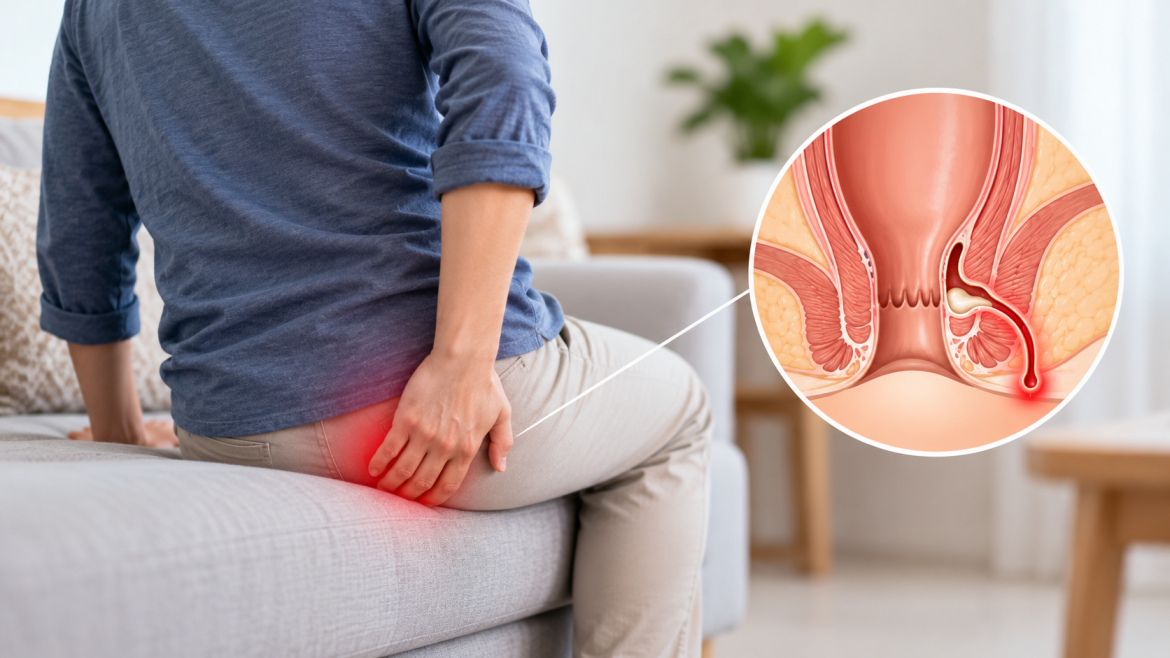
Pain, recurring lumps, or persistent drainage from a small spot near the anal area can be signs of a condition that requires proper medical evaluation. Some people may mistake these symptoms for piles or a minor skin infection and delay seeking medical advice. However, persistent symptoms may indicate an anal fistula, a condition that often requires medical or surgical treatment.
An anal fistula can develop if an infection around the anus leaves behind a persistent passage that does not close on its own. Although the initial swelling may settle, a small channel can remain beneath the skin and lead to repeated discomfort or discharge. Understanding the condition, recognising its warning signs and seeking appropriate medical care can help patients make informed decisions about treatment.
What Is an Anal Fistula?
An anal fistula is a small, abnormal passage that forms between the anal canal and the surrounding skin. It commonly develops after an infection creates a collection of pus, known as an anal abscess. When the abscess drains, a passage may remain between the infected area and the skin.
Some fistulas have a simple, single passage, while others branch into several channels or extend through the muscles that control bowel movements. Identifying the type and location of the fistula is important because these factors influence treatment decisions.
Unlike temporary skin irritation, an established anal fistula usually requires medical assessment and often a procedure to achieve healing.
What Causes an Anal Fistula?
An anal fistula can arise after an infected gland inside the anus creates a pocket of pus, leaving a lasting channel beneath the surrounding skin. The infection may lead to an abscess, which can drain spontaneously or require medical treatment. If the passage connecting the infection to the skin does not heal, a fistula may develop.
Other possible causes include:
- Crohn’s disease: This inflammatory bowel condition can affect the digestive tract and contribute to fistula formation.
- Repeated anal infections: When infections near the anus keep returning, they may indicate an abnormal tract that has not healed completely.
- Previous surgery or injury: Certain procedures or injuries involving the anal region can occasionally lead to fistula formation.
- Other medical conditions: Some chronic inflammatory conditions and less common infections may also contribute.
An anal abscess does not always lead to a fistula. If swelling or fluid leakage continues or returns after the abscess has settled, a doctor should examine the area to check for an underlying problem.
Common Warning Signs of an Anal Fistula
Symptoms vary depending on the fistula’s location and whether an infection is present. Common signs include:
Pain near the anal opening: The affected area may feel sore or painful during everyday activities, including sitting, moving around or having a bowel movement. Increasing pain can indicate a new abscess.
Pus or fluid discharge: A small opening near the anus may release pus, blood-stained fluid or unpleasant-smelling discharge. The symptoms may return even after temporary improvement.
Swelling and redness: The surrounding skin may become swollen, tender or inflamed, particularly when infection develops.
Itching and irritation: Persistent discharge can irritate the nearby skin and cause soreness or itching.
Recurring abscesses: Repeated painful lumps or collections of pus may indicate an underlying fistula.
These symptoms can resemble other conditions, so a doctor can examine the area and determine what is causing them.
Seek prompt medical attention if you experience increasing pain, painful swelling, fever, chills or feel generally unwell, as these may indicate an active infection.
How Is an Anal Fistula Diagnosed?
Diagnosis usually begins with a review of symptoms and a physical examination. The doctor may ask about previous abscesses, recurring discharge, bowel symptoms and any history of inflammatory bowel disease.
Depending on the findings, further assessment may include:
- Physical examination: To look for an external opening, swelling or signs of infection.
- Rectal examination or proctoscopy: When appropriate, these help assess the anal canal and surrounding area.
- MRI or ultrasound: Imaging may be recommended for complex fistulas or when the tunnel cannot be fully assessed during examination.
Not every patient requires imaging. The investigations depend on the symptoms, examination findings and complexity of the fistula.
Accurate diagnosis is important because treatment must address the abnormal passage while protecting the muscles responsible for bowel control.
What Are the Treatment Options for an Anal Fistula?
Treatment depends on the fistula’s location, complexity, the amount of sphincter muscle involved and the presence of infection. Surgery is commonly required because an established anal fistula rarely heals permanently without appropriate treatment.
1. Fistulotomy
Fistulotomy is commonly used for selected simple fistulas. The surgeon opens the fistula tunnel so that it can heal gradually from the inside.
This procedure may be unsuitable when the fistula passes through a significant portion of the sphincter muscles, as damaging these muscles can affect bowel control.
2. Seton Placement
A seton is a surgical thread placed through the fistula tunnel to maintain drainage and help control infection. It may be used when the fistula involves important sphincter muscles or requires staged treatment.
How long the seton remains in place and what happens afterward are determined by the fistula’s severity and the patient’s healing progress.
3. Sphincter-Preserving Procedures
For complex fistulas, a surgeon may recommend procedures designed to treat the abnormal passage while minimising damage to the sphincter muscles. Options may include the LIFT procedure or an advancement flap in suitable cases.
The choice depends on the fistula’s anatomy, the patient’s health and the surgeon’s assessment. No single procedure is appropriate for every patient.
4. Treatment of an Anal Abscess
If an abscess is present, draining the collection of pus may be necessary to control the infection. Antibiotics may be prescribed in selected situations, but they do not usually eliminate an established fistula on their own.
The treatment plan should be personalised, with the potential benefits, risks and possibility of recurrence discussed before the procedure.
What Is Recovery Like After Anal Fistula Treatment?
Recovery varies according to the procedure performed, the fistula’s complexity and the patient’s general health. Some patients return home on the same day, while others may require additional monitoring.
General recovery advice may include:
- Following the wound-care instructions provided by the medical team.
- Taking prescribed medicines as directed.
- Drinking adequate fluids and eating fibre-rich foods, unless advised otherwise, to help prevent constipation.
- Avoiding strenuous activities until the treating doctor recommends resuming them.
- Attending follow-up appointments to assess healing and identify possible recurrence.
Mild discomfort or some discharge may occur during healing, depending on the procedure. Contact the treating team if pain worsens, swelling increases, bleeding persists or fever develops.
Complex fistulas may require more than one procedure, so recovery time differs from person to person.
Can an Anal Fistula Be Prevented From Returning?
Not every fistula can be prevented, particularly when an underlying medical condition contributes to its development. Following the recommended treatment plan and attending follow-up appointments can help monitor healing and identify recurring problems.
Maintaining a balanced diet, drinking enough fluids and avoiding unnecessary straining during bowel movements may support bowel health and comfort. Gentle cleaning can also help reduce skin irritation.
However, these measures cannot close an established fistula. Persistent discharge, recurring swelling or continuing pain requires medical evaluation. People with Crohn’s disease or other related conditions may need additional treatment for the underlying problem.
When Should You Consult a Doctor?
Arrange a medical appointment if you notice recurring pain around the anus, persistent discharge, repeated swelling or a small opening that does not heal. Do not automatically assume that these symptoms are caused by piles.
Seek urgent medical attention if you develop severe or increasing pain, painful swelling with fever, chills or other signs of infection. Prompt assessment can help identify an abscess or another condition requiring treatment.
Anal Fistula Treatment in Trivandrum at NIMS Micro Hospitals
An anal fistula can cause recurring pain, swelling and discharge that interfere with daily comfort. Early medical assessment helps identify the condition and determine suitable treatment.
If you are looking for Anal Fistula Treatment in Trivandrum, contact NIMS Micro Hospitals to enquire about available consultation, diagnostic and treatment services. A medical professional can assess your symptoms and explain appropriate treatment options and recovery guidance.
If symptoms persist or repeatedly return, seek medical advice instead of relying solely on home remedies.