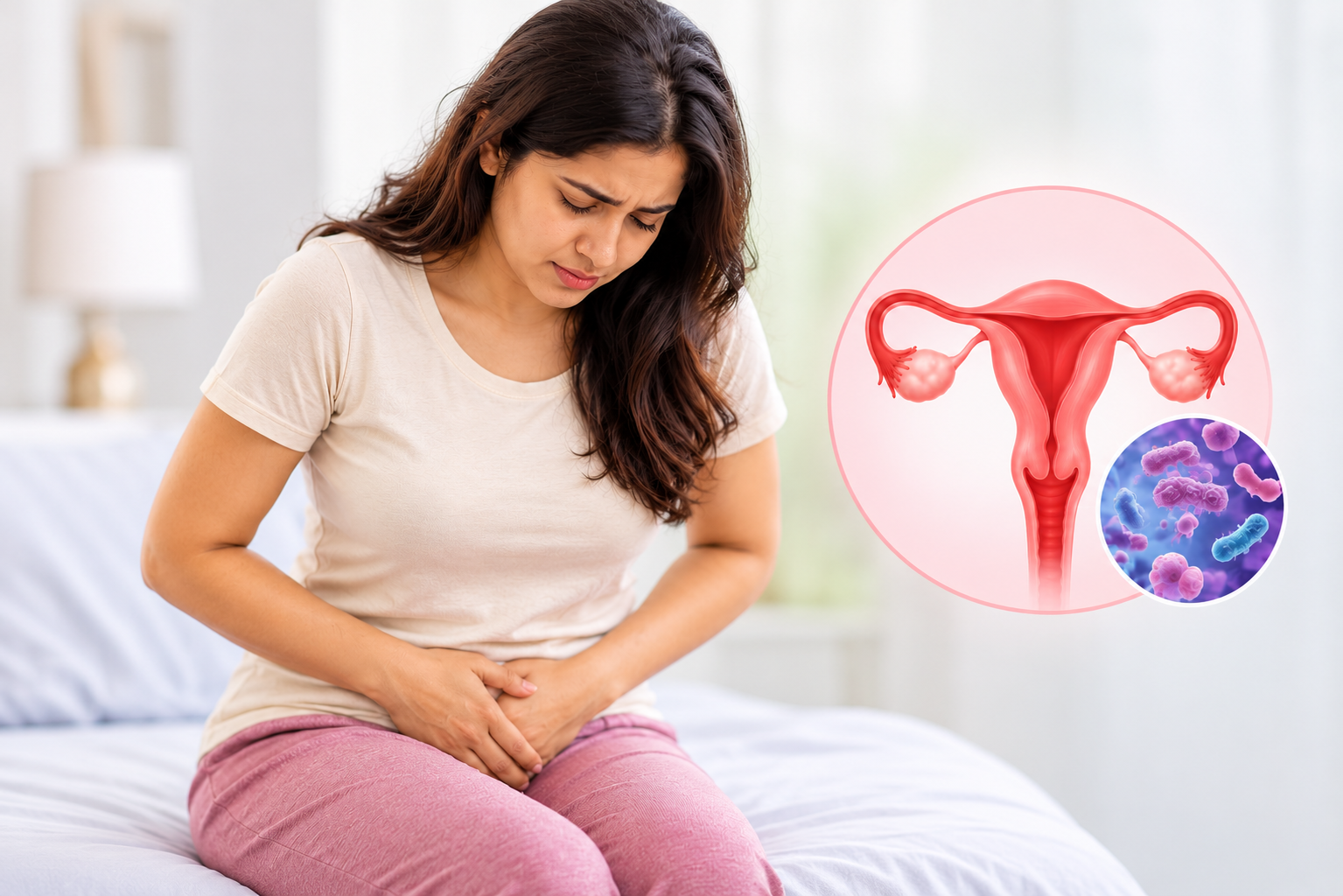
Changes in vaginal discharge, persistent itching or discomfort in the intimate area can be signs that something is affecting vaginal health. These symptoms are fairly common, but they should not be ignored when they continue, become uncomfortable or differ from what a person usually experiences.
Vaginal infections and related conditions can develop due to changes in the natural microorganisms present in the vagina, fungal overgrowth or exposure to certain sexually transmitted infections. Some are associated with hormonal changes or irritation from personal care products rather than an infection itself.
Although different conditions can produce similar symptoms, their treatment requirements are not the same. Understanding the possible causes, recognising unusual changes and getting an appropriate diagnosis can help prevent unnecessary discomfort and complications.
What Are Vaginal Infections?
The vagina naturally contains a combination of microorganisms that help maintain its normal environment. Certain beneficial bacteria play an important role in keeping the vaginal surroundings balanced. When this environment changes, some microorganisms may multiply more than usual, leading to irritation or infection-related symptoms.
Vaginal health can be influenced by several factors, including hormonal fluctuations, antibiotic use, changes in vaginal bacteria, sexual activity and certain medical conditions.
It is also important to understand that not every change in vaginal discharge indicates an infection. Normal discharge helps keep the vagina clean and protected. Its amount and consistency can change during different stages of the menstrual cycle.
Common Types of Vaginal Infections and Conditions
Several conditions can affect the vagina and surrounding genital area. Three commonly identified causes of vaginal symptoms are bacterial vaginosis, yeast infection and trichomoniasis.
1. Bacterial Vaginosis
Bacterial vaginosis is a vaginal condition that arises when certain bacteria begin to outnumber the bacteria normally found in the vaginal environment. It can affect women regardless of whether they are sexually active.
Some women may not notice any symptoms. Others may experience:
- Thin, white or grey vaginal discharge
- A noticeable fish-like smell
- A change in vaginal discharge after sexual activity
- Mild irritation or a burning sensation
- Discomfort while passing urine
Although bacterial vaginosis is not considered an sexually transmitted infection, certain sexual behaviours may increase the chances of developing it. Practices such as vaginal douching can also disturb the natural bacterial balance and contribute to the condition.
2. Vaginal Yeast Infection
A vaginal yeast infection, also known as vulvovaginal candidiasis, occurs when Candida yeast grows excessively. Candida can naturally exist in the body without causing problems, but changes in the vaginal environment may allow it to multiply.
Common symptoms include:
- Persistent itching around the vaginal opening
- Redness and swelling of the external genital area
- Thick, white discharge that may appear lumpy
- Soreness or irritation
- Burning during urination or sexual activity
Recent antibiotic use, pregnancy, poorly controlled diabetes and certain immune-related conditions can increase the likelihood of developing a yeast infection.
Vaginal yeast overgrowth is usually unrelated to sexual transmission and may develop even in women who have never had sexual contact.
3. Trichomoniasis
Trichomoniasis results from an infection with a tiny parasite known as Trichomonas vaginalis. It is usually transmitted through sexual contact, and many affected people may carry the infection without noticing any clear symptoms.
When symptoms develop, they may include:
- Yellowish or greenish vaginal discharge
- An unpleasant or unusual smell
- Itching and irritation around the genital area
- Redness or soreness
- Discomfort during urination
- Pain during sexual activity
Since the infection can be passed between sexual partners, both partners may need evaluation and treatment. Medical advice is important even if symptoms are mild.
Other Factors That Can Cause Vaginal Discomfort
Not all vaginal irritation is caused by bacteria, fungi or parasites. Certain non-infectious conditions can produce similar symptoms.
Hormonal changes: Reduced oestrogen levels during menopause, breastfeeding or certain stages of life can lead to vaginal dryness, sensitivity and discomfort.
Irritation from personal care products: Perfumed soaps, intimate washes, deodorants, scented wipes and other chemical products may trigger irritation in sensitive skin.
Skin conditions: Conditions such as eczema and lichen planus can affect the external genital area, causing itching, redness or soreness.
Vaginal dryness: Insufficient natural lubrication can cause friction, irritation and discomfort, particularly during sexual activity.
Identifying the actual cause is important because these conditions may require a different approach from an infection.
How Are Vaginal Infections Diagnosed?
Similar signs may be linked to different vaginal conditions, making it difficult to determine the cause based on symptoms alone. For instance, itching and changes in vaginal discharge can occur in more than one type of infection. Choosing an unsuitable treatment may prevent the condition from clearing up.
A gynaecologist may recommend a combination of the following assessments:
Medical history: The doctor may ask about the duration of symptoms, menstrual cycle, recent medication use, pregnancy status and previous episodes of vaginal discomfort.
Physical examination: An examination of the external genital area may help identify redness, swelling, irritation or other visible changes. A pelvic examination may be suggested when necessary.
Vaginal swab testing: A small sample of vaginal fluid can be collected to check for yeast, bacterial imbalance or certain infections.
Laboratory investigations: Depending on the symptoms, the doctor may request microscopic examination, vaginal pH assessment or specific laboratory tests to identify the microorganism responsible.
STI testing: When symptoms or medical history suggest a sexually transmitted infection, additional tests may be recommended.
The choice of investigation depends on the patient’s symptoms and examination findings. Not every woman requires every test.
Treatment Options for Vaginal Infections
Treatment is selected according to the condition responsible for the symptoms. Using medication without confirming the cause may not resolve the problem and can sometimes make diagnosis more difficult.
1. Treatment for Bacterial Vaginosis
Doctors generally prescribe specific antibiotics to manage bacterial vaginosis. These may be given as oral medication or as a vaginal gel or cream, depending on the patient’s needs.
Completing the prescribed course is important, even if the discharge or odour improves before the medication is finished. Symptoms can sometimes return, in which case another medical assessment may be needed.
2. Treatment for Yeast Infection
Antifungal medicines are commonly used to manage vaginal yeast infections. Depending on the diagnosis, treatment may involve vaginal creams, suppositories or oral medication.
Women who experience repeated episodes may require further testing to identify the yeast species and check for contributing health conditions. Repeatedly using antifungal products without confirmation is not advisable.
3. Treatment for Trichomoniasis
Trichomoniasis requires prescription-based antimicrobial treatment. Sexual partners should also be evaluated and treated when indicated to reduce the possibility of passing the infection back and forth.
Sexual activity should be avoided until the treatment requirements have been completed by the patient and their partner or partners, as advised by the treating doctor.
4. Managing Non-Infectious Vaginal Conditions
When discomfort is related to dryness, hormonal changes or irritation, treatment focuses on the underlying cause.
A doctor may recommend suitable vaginal moisturisers, lubricants, hormonal treatment or medication for an associated skin condition. Avoiding the product responsible for irritation may also help reduce symptoms.
When Should You Consult a Gynaecologist?
Some changes may be temporary, but persistent or unusual symptoms deserve medical attention. Delaying an assessment can allow certain infections to continue or increase the risk of complications.
Consider consulting a gynaecologist if you experience:
- Discharge with an unusual colour, consistency or smell
- Itching or burning that does not settle
- Repeated episodes of vaginal discomfort
- Pain during urination or sexual activity
- Bleeding between menstrual periods or after sex
- Sores, blisters or unusual swelling around the genital area
- Pelvic or lower abdominal pain
Seek prompt medical attention if vaginal symptoms occur with fever, chills or significant lower abdominal pain. If you are pregnant and notice unusual discharge, irritation or other signs of infection, contact your healthcare provider for assessment rather than trying medication on your own.
How Can You Maintain Vaginal Health?
Good intimate hygiene involves protecting the natural vaginal environment rather than trying to remove every microorganism present.
A few everyday practices may help reduce irritation and support vaginal health:
- Wash the external genital area gently with water.
- Avoid inserting soaps, washes or cleansing products into the vagina.
- Choose breathable underwear and change out of damp clothing promptly.
- Avoid strongly perfumed sanitary products and intimate sprays.
- Use prescribed antibiotics and antifungal medicines only as directed.
- Maintain good blood sugar control if you have diabetes.
- Use condoms to reduce the risk of sexually transmitted infections.
- Attend medical consultations when symptoms persist or return.
Douching and internal cleansing are not recommended. These practices can disturb the natural vaginal environment and may increase the likelihood of certain problems.
Gynaecological Care at NIMS Micro Hospitals
Vaginal discomfort, unusual discharge and recurring irritation can have different underlying causes. Identifying the condition through an appropriate medical assessment is the first step towards selecting suitable treatment.
At NIMS Micro Hospitals, the gynaecology department provides consultation and care for women’s health concerns, including pelvic pain, infections, menstrual disorders and other gynaecological conditions. Women seeking gynecological care in Trivandrum can consult the gynaecology team at NIMS Micro Hospitals for an evaluation based on their symptoms and medical history.
If you notice persistent changes in vaginal health or experience recurring discomfort, consider scheduling a consultation at NIMS Micro Hospitals to discuss your concerns and understand the available treatment options.