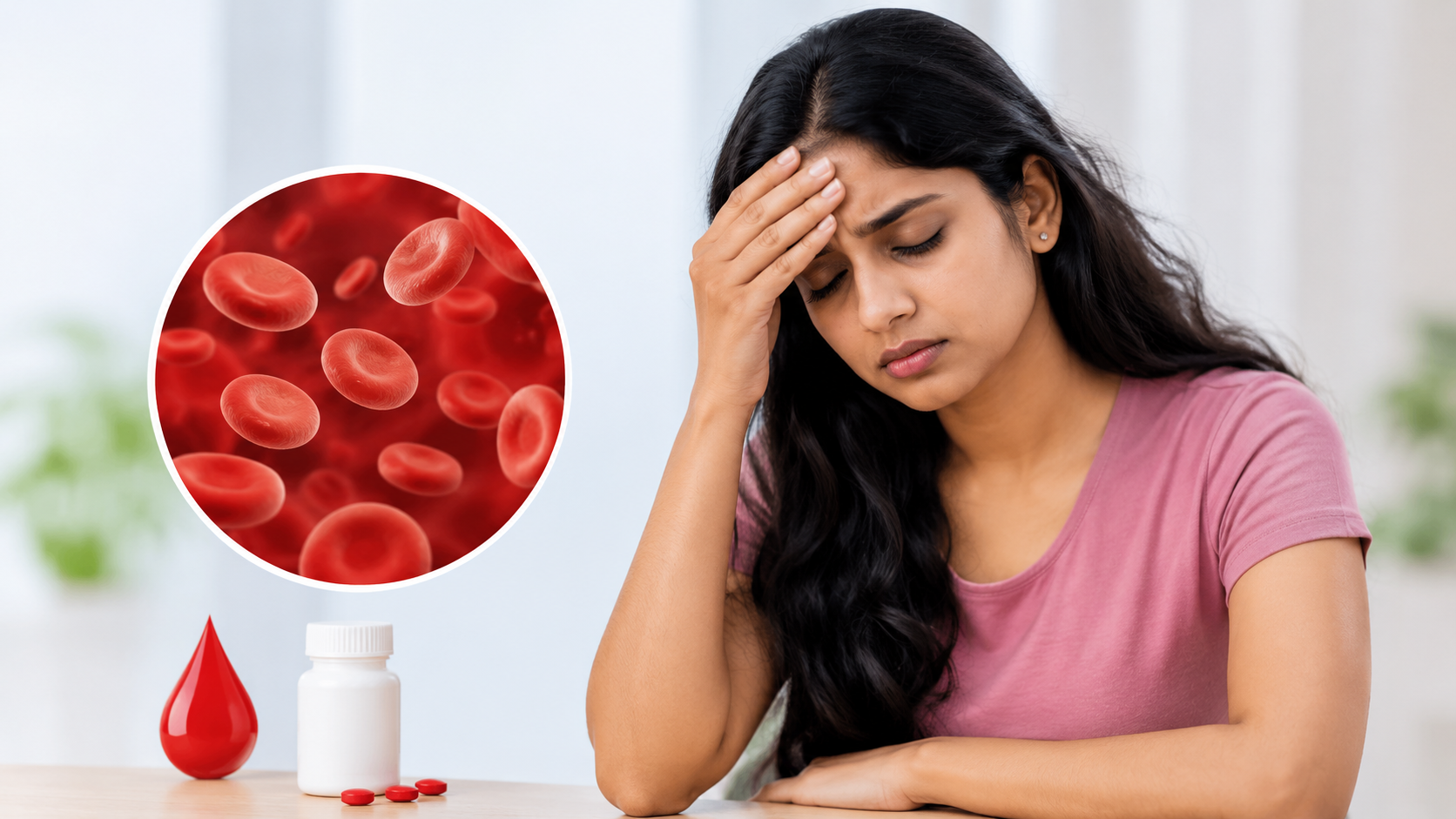
Feeling tired after a long day is common, but constant exhaustion, even after getting enough rest, may indicate an underlying health concern. One possible cause is iron deficiency anaemia. This condition develops when the body does not have enough iron to produce the required amount of haemoglobin. Haemoglobin is a protein in red blood cells that carries oxygen from the lungs to different parts of the body.
Iron deficiency anaemia can affect people of all ages, although certain groups have a higher risk. Women with heavy menstrual bleeding, pregnant women, growing children and people with certain digestive conditions may be more likely to develop it. Recognising the symptoms and understanding the causes can help people seek medical advice at the right time.
What Is Iron Deficiency Anaemia?
Iron is an essential mineral involved in the production of haemoglobin. When the body does not receive or absorb enough iron, haemoglobin levels may fall. This reduces the blood’s ability to carry oxygen efficiently.
As a result, different organs and tissues may not receive the oxygen they need for normal functioning. This can lead to tiredness, weakness, reduced concentration and other symptoms.
Iron deficiency usually develops gradually. Some people may not notice any changes during the early stages. Symptoms can become more noticeable as iron levels continue to decrease.
Common Causes of Iron Deficiency Anaemia
Several factors can contribute to low iron levels. Identifying the underlying cause is important because treatment should address more than just the deficiency.
1. Insufficient Iron in the Diet
The body obtains iron mainly through food. People who regularly consume a diet with limited iron-rich foods may develop a deficiency over time.
Foods such as meat, poultry, lentils, beans, spinach and iron-fortified cereals contain iron. A diet that lacks variety or does not provide enough essential nutrients may increase the risk.
People following vegetarian or vegan diets can also meet their iron requirements through suitable plant-based food sources. They may need guidance on combining foods to improve iron absorption.
2. Heavy Menstrual Bleeding
Women who experience heavy or prolonged menstrual periods may lose more blood than usual. Repeated blood loss can gradually reduce the body’s iron stores.
If periods regularly last longer than expected, involve unusually heavy bleeding or require frequent changes of sanitary products, medical evaluation may be necessary.
3. Pregnancy
During pregnancy, the body requires additional iron to support the development of the baby and changes in the mother’s blood supply. If iron intake and stored iron are insufficient, anaemia may develop.
Pregnant women are often advised to undergo blood tests as part of routine antenatal care. A healthcare professional can recommend iron supplements when required.
4. Blood Loss from the Digestive Tract
Blood loss from the stomach or intestines can contribute to iron deficiency. Possible causes include stomach ulcers, gastrointestinal inflammation, certain bowel conditions and other sources of internal bleeding.
In some cases, bleeding may not be visible. Dark or tar-like stools, blood in the stool or unexplained changes in bowel habits should be discussed with a doctor.
5. Poor Iron Absorption
Even when a person consumes enough iron, the body may not absorb it properly. Conditions affecting the small intestine, including coeliac disease and certain inflammatory disorders, can interfere with nutrient absorption.
Some digestive surgeries may also affect how the body absorbs iron. People with ongoing digestive symptoms and low iron levels may need further investigation.
Symptoms of Iron Deficiency Anaemia
The symptoms can vary depending on how low the iron levels are and how quickly the deficiency develops. Mild cases may produce very few noticeable signs.
Common symptoms include:
- Persistent tiredness and low energy
- Weakness or reduced physical stamina
- Pale skin
- Shortness of breath during activity
- Headaches or dizziness
- Cold hands and feet
- Difficulty concentrating
- Noticeable heartbeats or palpitations
- Brittle nails
- Hair shedding in some individuals
Some people may develop an unusual craving for non-food substances such as ice, clay or paper. This condition is known as pica and can sometimes be associated with iron deficiency.
These symptoms are not exclusive to anaemia. Other health conditions can cause similar problems, so a proper medical assessment is necessary before starting treatment.
Who Is More Likely to Develop Iron Deficiency?
Although anyone can experience iron deficiency, some groups have a greater chance of developing it.
Women with heavy menstrual bleeding may lose iron regularly. Pregnant women have increased nutritional requirements, while infants, children and teenagers need adequate iron to support growth and development.
People who donate blood frequently may also need to monitor their iron levels. Individuals with chronic digestive conditions, a history of gastrointestinal surgery or ongoing blood loss may face a higher risk.
Older adults should not ignore unexplained anaemia. In this age group, iron deficiency may sometimes be linked to an underlying digestive condition that requires investigation.
How Is Iron Deficiency Anaemia Diagnosed?
A doctor may begin by asking about symptoms, dietary habits, menstrual history, existing medical conditions and any possible signs of blood loss.
Blood tests are commonly used to confirm the condition and understand its severity.
Complete Blood Count
A complete blood count, often called a CBC, measures different components of the blood. It includes haemoglobin levels, red blood cell count and other measurements that help identify anaemia.
In iron deficiency anaemia, red blood cells may be smaller than usual and contain less haemoglobin. These findings can help guide further testing.
Serum Ferritin Test
Ferritin is a protein that stores iron in the body. A serum ferritin test helps estimate the amount of stored iron. Low ferritin levels commonly indicate depleted iron reserves.
Ferritin can also increase during inflammation or infection, so doctors may interpret the result alongside other blood tests and clinical findings.
Other Iron Studies
Additional tests may include serum iron, transferrin saturation and total iron-binding capacity. These measurements provide more information about how iron is transported and used in the body.
Investigations for Blood Loss
If the doctor suspects internal bleeding, further investigations may be recommended. Depending on the symptoms and medical history, these may include stool tests, endoscopy or other diagnostic procedures.
The choice of investigation depends on the patient’s age, symptoms and individual risk factors.
Treatment Options for Iron Deficiency Anaemia
Treatment depends on the cause and severity of the deficiency. Simply increasing iron intake may not be enough if the body is losing blood or cannot absorb iron properly.
Iron Supplements
Oral iron supplements are commonly prescribed for people with confirmed iron deficiency. The type, dose and duration depend on individual requirements.
Some people experience side effects such as constipation, nausea, stomach discomfort or changes in stool colour. A doctor may suggest adjusting the dose or changing the preparation if side effects become difficult to manage.
Iron supplements should not be taken unnecessarily. Excess iron can be harmful, and treatment should be based on medical advice and test results.
Dietary Changes
Eating a balanced diet can help maintain healthy iron levels. Foods containing iron include:
- Lean meat and poultry
- Fish and seafood
- Lentils and chickpeas
- Beans and peas
- Spinach and other leafy vegetables
- Nuts and seeds
- Iron-fortified cereals
Vitamin C can improve the absorption of iron from plant-based foods. Including foods such as oranges, guava, tomatoes and lemons alongside meals may help.
Tea and coffee can reduce the absorption of iron when consumed with meals. People with iron deficiency may be advised to avoid drinking them immediately before or after iron-rich meals.
Treating the Underlying Cause
If iron deficiency is caused by heavy menstrual bleeding, digestive problems or another medical condition, that issue also needs attention.
For example, a person with ongoing gastrointestinal blood loss may require investigations and treatment to identify the source. Treating the deficiency without addressing continued blood loss may not resolve the problem.
Intravenous Iron
In selected cases, iron may be given through a vein. This can be considered when oral supplements are not tolerated, are not absorbed properly or cannot correct the deficiency adequately.
Intravenous iron is administered under medical supervision. It is not required for every person with iron deficiency.
Blood transfusion may be considered in certain severe situations, depending on the patient’s condition. It is not the routine treatment for uncomplicated iron deficiency.
Can Iron Deficiency Anaemia Be Prevented?
Some cases can be prevented through suitable dietary habits and regular medical care.
Eating a varied diet that includes iron-rich foods is a useful starting point. People with increased iron requirements should discuss their nutritional needs with a healthcare professional.
Women who experience unusually heavy periods should seek medical advice rather than assuming that ongoing tiredness is normal. Pregnant women should attend recommended antenatal appointments and follow the nutritional guidance provided by their doctor.
People with digestive conditions or a history of anaemia may need periodic blood tests. The frequency of monitoring depends on their health condition and treatment plan.
It is also important to avoid taking iron supplements without knowing whether a deficiency exists. Tiredness can have several causes, including thyroid disorders, vitamin deficiencies, sleep problems and other medical conditions.
When Should You Consult a Doctor?
Occasional tiredness may be related to daily activities, but persistent fatigue should not be ignored. Medical advice is particularly important if tiredness occurs alongside dizziness, breathlessness, pale skin, frequent headaches or unusual heartbeats.
Seek prompt medical attention if you notice blood in your stool, black tar-like stools, heavy unexplained bleeding or worsening weakness. Severe breathlessness, chest pain, fainting or a rapid heartbeat with significant discomfort may require urgent medical care.
Early assessment can help identify whether iron deficiency is present and determine why it has developed. Avoid relying only on dietary changes or over-the-counter supplements when symptoms continue.
Conclusion
Iron deficiency anaemia is a common condition, but its effects can extend beyond tiredness. It may affect physical energy, concentration and the ability to carry out everyday activities. Appropriate testing, a balanced diet and timely medical care can help identify and manage the condition.
Understanding the reason behind low iron levels is just as important as correcting the deficiency. If symptoms persist, consult a qualified healthcare professional for an appropriate assessment.
General Consultation in Trivandrum at NIMS Micro Hospitals
If you are experiencing persistent tiredness, weakness, dizziness or other symptoms that may be related to iron deficiency anaemia, seeking medical advice can help identify the possible cause. NIMS Micro Hospitals provides general medical consultation for people with different health concerns. For those looking for General Consultation in Trivandrum, NIMS Micro Hospitals can be contacted to enquire about appointments and available medical services. A healthcare professional can assess your symptoms and guide you on the appropriate investigations and further care