Piles can cause pain, itching, swelling and bleeding during bowel movements, making even simple daily activities uncomfortable. Women may notice these symptoms during pregnancy, after childbirth or while dealing with long-standing constipation. Although piles are common, many women delay seeking medical advice because they feel embarrassed discussing symptoms in this area.
At NIMS Micro Hospitals, Trivandrum, women can receive a proper medical assessment and clear guidance on suitable treatment options in a private, respectful setting. If you are looking for piles treatment for women in Trivandrum, our surgical team can assess your symptoms and help determine the most appropriate approach to care. Haemorrhoids, commonly known as piles, occur when veins around the anus or inside the lower rectum become enlarged and swollen. They may be internal or external, and symptoms vary with their position and severity.
Our surgical team begins by understanding your concerns and medical history. Treatment is then based on your symptoms, examination findings and overall health, and may include dietary changes, medication, minimally invasive procedures or surgery.
Causes of Piles in Women
A woman’s body goes through changes that can put extra pressure on the veins around the rectum. These are the most common reasons we see:
- Pregnancy: The growing uterus presses on the pelvic veins, and hormonal changes slow digestion, which can lead to constipation.
- Childbirth: Pushing during delivery raises pressure in the rectal veins, and some women notice piles for the first time in the weeks after a baby.
- Constipation: Low fibre intake, too little water and some supplements, such as iron tablets, can make stools hard and difficult to pass.
- Long hours of sitting: Desk jobs and long journeys keep pressure on the lower rectum.
- Delaying the urge to go: Postponing a toilet visit regularly can make stools harder over time.
Symptoms That Need Medical Attention
- Bright red blood on tissue paper or in the toilet after passing stools
- Itching, burning or irritation around the anus
- A swollen area or noticeable bump around the anus.
- Discomfort or soreness when sitting down or having a bowel movement.
- Mucus discharge or a feeling that the bowel has not emptied fully
Bleeding is not always caused by piles. Fissures, infections and other bowel conditions can cause similar symptoms, so an examination is the only reliable way to know what is happening. We advise against using creams for weeks without a diagnosis.
Our Services
Examination and Diagnosis
Every treatment begins with a proper assessment. We listen to your symptoms, review your medical history and carry out a gentle examination, with proctoscopy when needed. This helps confirm whether piles are the cause and rules out other conditions that can look similar.
Piles (Haemorrhoid) Treatment
We examine internal and external piles, assess their grade, and recommend a plan based on how much they affect you. Early-stage piles often improve with medicines and changes to diet and toilet habits. Larger or recurring piles may need a procedure.
Laser Piles Surgery
For suitable patients, laser treatment is a minimally invasive option that involves smaller wounds and a shorter recovery than conventional open surgery. Your surgeon will advise you whether it is appropriate for your condition.
Non-Surgical Care
This includes prescribed medicines, stool softeners, warm sitz baths, hygiene guidance and, where suitable, procedures such as rubber band ligation or sclerotherapy.
Fissure and Fistula Care
Small tears and abnormal channels around the anus can cause pain and discharge that feel similar to piles. We diagnose and treat these as part of the same anorectal service.
Breast Cancer Surgery
Our surgical department also provides breast cancer surgery. After a thorough evaluation of scan and biopsy reports, the surgeon explains the available surgical options, what each involves, and how it fits with any further treatment your oncology team recommends.
Piles During Pregnancy and After Delivery
Piles in pregnancy are common, and in many women they settle after delivery. During pregnancy, we focus on gentle measures: fibre-rich food, plenty of fluids, regular light movement and medicines considered safe for expectant mothers. Procedures are generally avoided unless there is a strong medical reason.
If symptoms continue or get worse after childbirth, a fresh examination helps decide the next step. If you are breastfeeding, please tell us at the start so that any medicine can be chosen with care.
Why Choose NIMS Micro Hospitals for Piles Care For Women?
At NIMS Micro Hospitals, piles treatment is based on each patient’s symptoms, medical history and individual needs. Our surgical team focuses on the following aspects of care:
Individual Assessment
Symptoms, medical history and relevant risk factors are considered before recommending treatment.
Personalised Treatment Plans
Non-surgical care, minimally invasive procedures or surgery may be considered according to the patient’s condition.
Evaluation of Related Conditions
Similar symptoms caused by anal fissures, fistulas or other anorectal conditions can be assessed.
Clear Medical Guidance
Patients can discuss treatment options, potential risks and expected recovery with the treating doctor.
Recovery and Follow-Up Care
Guidance on bowel habits, diet, medication and recovery is provided according to the treatment received.
Women's Health Considerations
Pregnancy, childbirth and other individual health factors are taken into account when discussing suitable piles treatment
Women looking for piles treatment in Trivandrum can consult the surgical team at NIMS Micro Hospitals to understand their symptoms and explore appropriate treatment options.
What Happens During Your First Visit
- Conversation: We ask about your symptoms, bowel habits, pregnancies, medicines and medical history.
- Examination: A short, gentle examination, with proctoscopy if required.
- Diagnosis: We explain what we found and whether any further tests are needed.
- Treatment plan: You receive clear advice on medicines, lifestyle changes or a procedure, along with the expected recovery time.
- Recovery and review: After treatment, we explain wound care, diet and warning signs, and book your follow-up visits.
Meet Our Surgeon
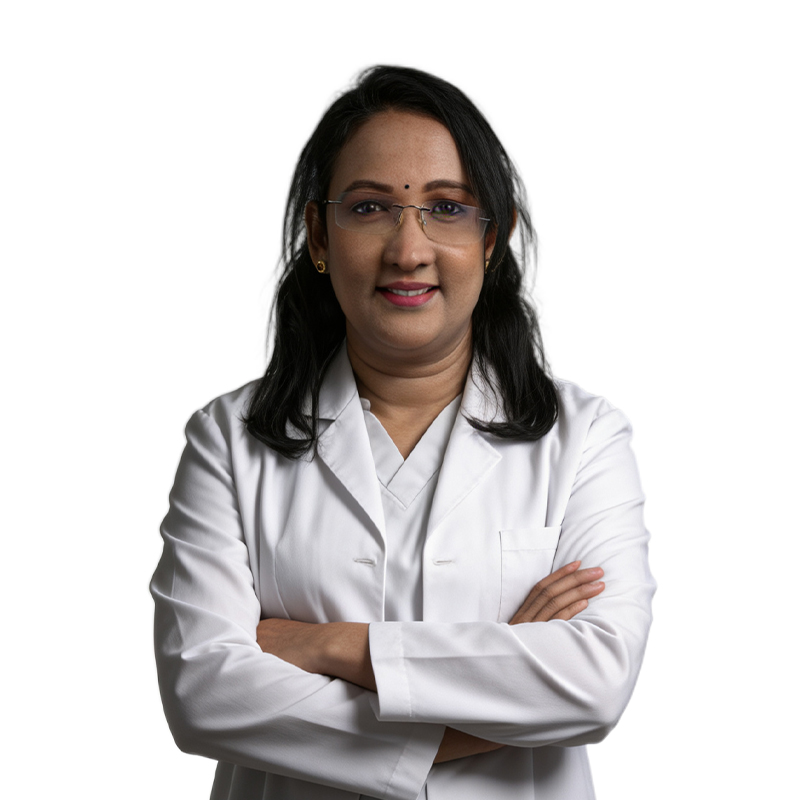
Dr. A Sivagamasundari
MBBS, DNB, FIAGES Surgery
Dr. Sivagamasundari leads surgical care for women seeking piles treatment at NIMS Micro Hospitals. She treats patients of all ages and takes time to explain each step of their care, from the first examination to recovery. Her approach is personal: she makes sure patients understand their diagnosis and treatment options and feel comfortable with the plan before going ahead.
What Our Patients Say
“I had delayed seeing a doctor for nearly a year because I felt too shy. The consultation was calm, and I understood my options before deciding anything.”

Sreeja
Thiruvananthapuram“After my second delivery the bleeding would not stop. The doctor explained the cause clearly, and the follow-up visits made my recovery easier.”
Anitha
Kazhakkoottam“I was afraid it was something serious. The examination was quick, the diagnosis was clear, and the diet advice has really helped.”
Latha
NeyyattinkaraFrequently Asked Questions
How to cure piles in ladies?
Treatment depends on the grade of the piles and how much they affect you. Mild piles often improve with a fibre-rich diet, enough water, stool softeners, prescribed medicines and better toilet habits. Piles that are larger, keep bleeding or return may need a procedure. A doctor needs to examine you first to decide which approach suits you.
Can I remove piles without surgery?
In many cases, yes. Early-stage piles can often be managed with medicines, diet changes, sitz baths and, where suitable, procedures such as rubber band ligation or sclerotherapy. Surgery is usually considered when these measures do not give enough relief or when the piles are at an advanced stage.
Can piles be cured 100%?
Treatment can relieve symptoms and remove the piles that are causing trouble, but no doctor can promise that piles will never return. Constipation, straining and long hours of sitting can bring them back. Following the diet and toilet-habit advice given after treatment lowers the chance of recurrence.
Is piles surgery painful?
Procedures are done with anaesthesia, so you should not feel pain during the operation. Some discomfort afterwards is common and varies from person to person and with the type of procedure. Your surgeon will prescribe pain relief and explain what to expect during recovery.
How long does recovery take?
It depends on the procedure and the grade of the piles. Your surgeon will give you a personal timeline for returning to daily activities and for follow-up visits.
Is laser surgery suitable for every woman?
No. It suits many cases but not all. Your surgeon will recommend it only if your grade of piles and your symptoms make it appropriate.
Is piles treatment different for women?
The procedures are largely the same, but pregnancy, childbirth, breastfeeding and hormonal factors affect which treatment is safe and when it should be done.
Can piles be treated during pregnancy?
Most cases are managed with diet, fluids and safe medicines. Procedures are usually avoided unless there is a strong medical reason.
Will piles go away after delivery?
Many improve within a few weeks. If bleeding, pain or swelling continues, please get examined.
How much does piles treatment cost in Kerala?
The cost varies with the grade of the piles, the type of treatment and whether a hospital stay is needed, so a single figure would not be accurate. After your examination, our team will explain the recommended treatment and give you an estimate before any procedure. We also help with insurance checks and cashless claim paperwork where applicable.
Who is the best woman doctor for piles treatment in Trivandrum?
The right doctor is one who examines you carefully, explains your options clearly and makes you comfortable. At NIMS Micro Hospitals, piles treatment for women in Trivandrum is led by Dr. Sivagamasundari A (MBBS, DNB, FIAGES), a general and laparoscopic surgeon who sees patients of all ages.
What types of breast cancer surgery are available at NIMS Micro Hospitals?
The type of surgery depends on the size and position of the tumour, the stage of the cancer, the results of your scans and biopsy, and your own preferences. The two main approaches are breast-conserving surgery, which removes the tumour with a margin of healthy tissue, and mastectomy, which removes the whole breast. The surgeon may also check the lymph nodes under the arm. After reviewing your reports, the surgeon will explain which option suits you and what each involves.
Visit NIMS Micro Hospitals for Women’s Surgical Care
If you are searching for the Best ENT Hospital in Trivandrum, we invite you to visit the department, meet our doctors and see the facilities for yourself before you decide.
📞 Call: +91 80784 99444
📧 Email: info@nimsmicrohospitals.com
📍 Address: RBI–Valsala Nursing Home Road, Paris Nagar, Bakery Junction, Thiruvananthapuram, Kerala