A hernia is one of the most common surgical conditions in adults, yet it is often ignored until it becomes painful or dangerous. It happens when an internal organ or tissue — usually part of the intestine — pushes through a weak spot in the surrounding muscle or connective tissue. The result is a noticeable bulge that may come and go at first, but rarely resolves on its own. Understanding what a hernia is, how to recognise it early, and when it needs treatment can save you from a preventable emergency.
What causes a hernia?
Hernias develop wherever muscle is weak and pressure inside the body is high. That weakness can be present from birth or develop over time through ageing, previous surgery, or repeated strain. Common contributing factors include heavy lifting, chronic coughing, long-standing constipation, obesity, pregnancy, and jobs that involve constant physical exertion. Because the underlying muscle gap does not heal by itself, a hernia tends to grow slowly and become more obvious over months or years.
Common types of hernia
- Inguinal hernia — The most common type, occurring in the groin. It is far more frequent in men and often appears as a bulge that becomes prominent when standing, coughing, or lifting.
- Umbilical hernia — Occurs near the belly button. Common in newborns, but also seen in adults, particularly during pregnancy or with excess abdominal weight.
- Incisional hernia — Develops at the site of a previous surgical scar where the muscle has not fully healed.
- Hiatal hernia — Occurs when part of the stomach pushes up through the diaphragm, often causing acid reflux and heartburn rather than a visible bulge.
- Femoral hernia — Appears in the upper thigh or groin, more common in women, and carries a higher risk of complications.
Warning signs you should never ignore
In the early stages, a hernia may cause nothing more than a soft lump that disappears when you lie down. As it progresses, watch for a bulge that grows over time, a dragging or aching sensation in the groin or abdomen, discomfort when bending or lifting, and pressure or weakness in the affected area. A hiatal hernia may instead show up as persistent heartburn or difficulty swallowing.
The signs that demand immediate medical attention are a hernia that suddenly becomes hard, painful, or impossible to push back in, along with nausea, vomiting, or fever. These can indicate a strangulated hernia, where blood supply to the trapped tissue is cut off. This is a surgical emergency — if you are unsure whether your symptoms qualify, our guide on when to go to the emergency room can help you decide quickly.
When does a hernia need surgery?
A hernia will not go away with medication, exercises, or belts — these may ease symptoms temporarily but do not repair the muscle defect. Surgery is the only definitive treatment. Your surgeon may recommend a watchful waiting approach for a small, painless hernia, but repair is advised when the hernia is growing, causing pain, or interfering with daily activities, and it becomes urgent if there is any sign of obstruction or strangulation.
Before surgery, imaging such as an ultrasound or CT scan may be used to confirm the diagnosis and plan the repair. If you would like to understand these tests better, our article on choosing the right diagnostic test — ultrasound, CT, or MRI breaks it down in plain language.
Treatment options
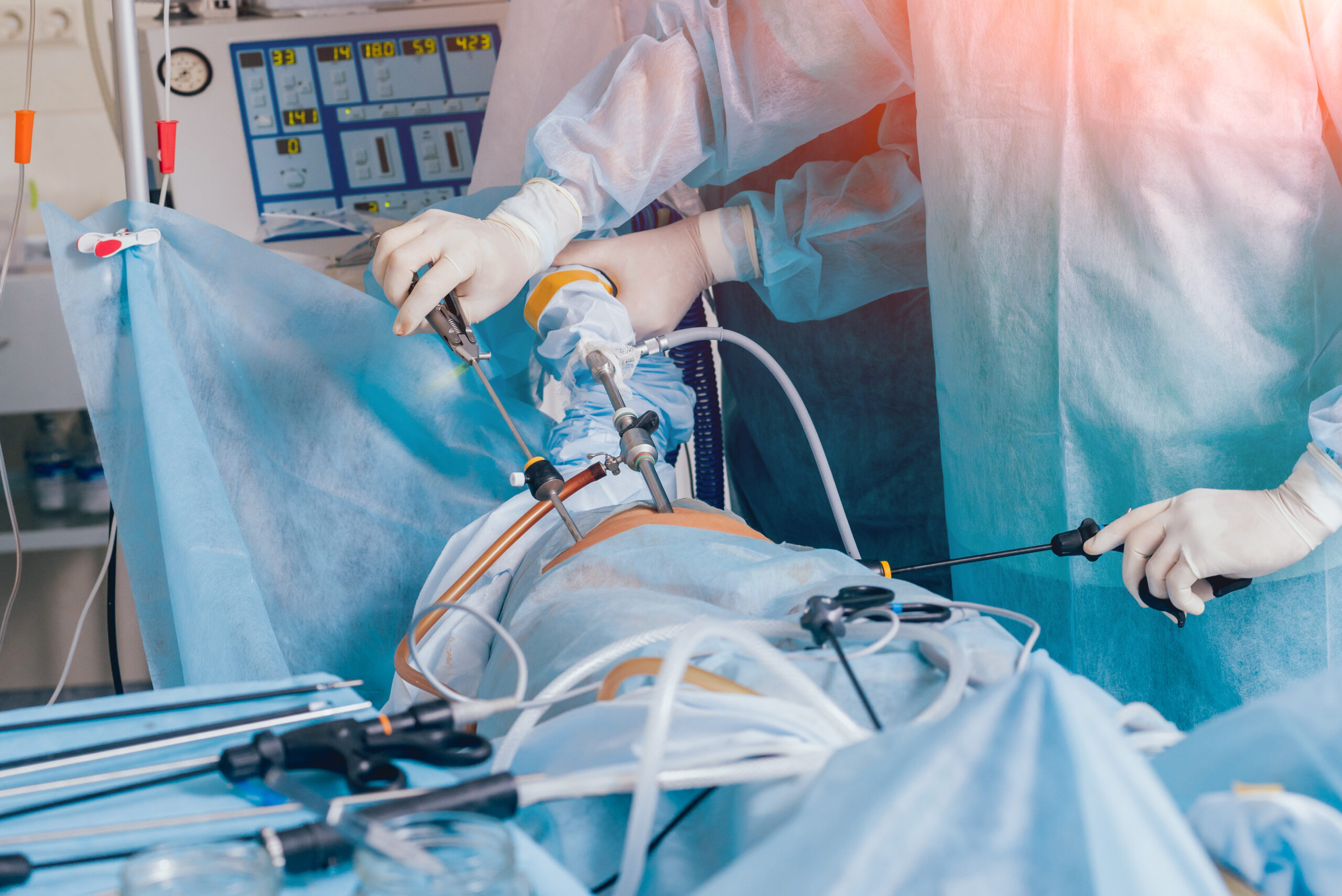
Modern hernia repair usually involves reinforcing the weak area with a mesh to prevent recurrence. This can be done through open surgery or laparoscopic (keyhole) surgery, which uses small incisions and typically allows a faster recovery with less post-operative pain. The right choice depends on the type and size of the hernia, your general health, and your surgeon’s assessment. You can read more about the keyhole approach in our detailed guide to laparoscopic surgery.
Recovery varies by procedure, but most patients return to light activity within a week or two and are advised to avoid heavy lifting for a few weeks while the repair heals.
Talk to a specialist
A hernia rarely improves on its own and can turn into an emergency if left untreated. Early evaluation gives you more treatment options and a smoother recovery. If you have noticed a bulge or persistent discomfort, consult an experienced general surgeon in Anna Nagar for a proper assessment and a treatment plan tailored to you.
To book a consultation, contact NIMS Micro Hospitals or call +91 80784 99444.