When your doctor orders a scan, it’s easy to feel a little lost about what’s actually being tested and why one type of imaging was chosen over another. Ultrasound, CT, and MRI all create images of the inside of your body, but they work in completely different ways and are suited to very different situations. Here’s a clear breakdown to help you understand what to expect.
Ultrasound: the go-to for soft tissue and pregnancy
Ultrasound uses high-frequency sound waves to create real-time images, with no radiation involved, making it one of the safest imaging options available. It’s the standard choice for monitoring pregnancy, examining organs like the liver, kidneys, and gallbladder, checking blood flow, and guiding certain minor procedures. Because it’s quick, painless, and doesn’t require any special preparation in most cases, ultrasound is often the first imaging test doctors reach for when investigating abdominal or pelvic symptoms.
CT scan: detailed cross-sectional imaging, fast
A CT (computed tomography) scan uses X-rays taken from multiple angles to build detailed cross-sectional images of the body. It’s particularly useful for examining bones, detecting internal bleeding, evaluating chest and abdominal organs in detail, and assessing trauma cases quickly — which is why CT scans are commonly used in emergency settings. CT scans do involve a small amount of radiation exposure, and your doctor will weigh this against the diagnostic benefit when recommending one.
MRI: the most detailed look at soft tissue
MRI (magnetic resonance imaging) uses powerful magnets and radio waves rather than radiation, producing highly detailed images especially suited to soft tissue — brain, spinal cord, joints, ligaments, and muscles. It’s often the preferred test for evaluating conditions like disc problems in the back, ligament or cartilage injuries, and certain neurological conditions. MRI scans take considerably longer than CT or ultrasound and require you to remain still inside the scanner, which is worth knowing beforehand if you’re prone to discomfort in enclosed spaces.
How your doctor decides which test you need
The choice isn’t arbitrary — it depends entirely on what your doctor is trying to evaluate. As a general pattern: ultrasound is usually the starting point for abdominal, pelvic, or pregnancy-related concerns; CT is typically chosen when speed matters or bone and trauma assessment is needed; and MRI is reserved for detailed soft tissue evaluation, particularly of the brain, spine, and joints. Sometimes more than one type of imaging is used together to build a complete picture.
What to expect during each type of scan
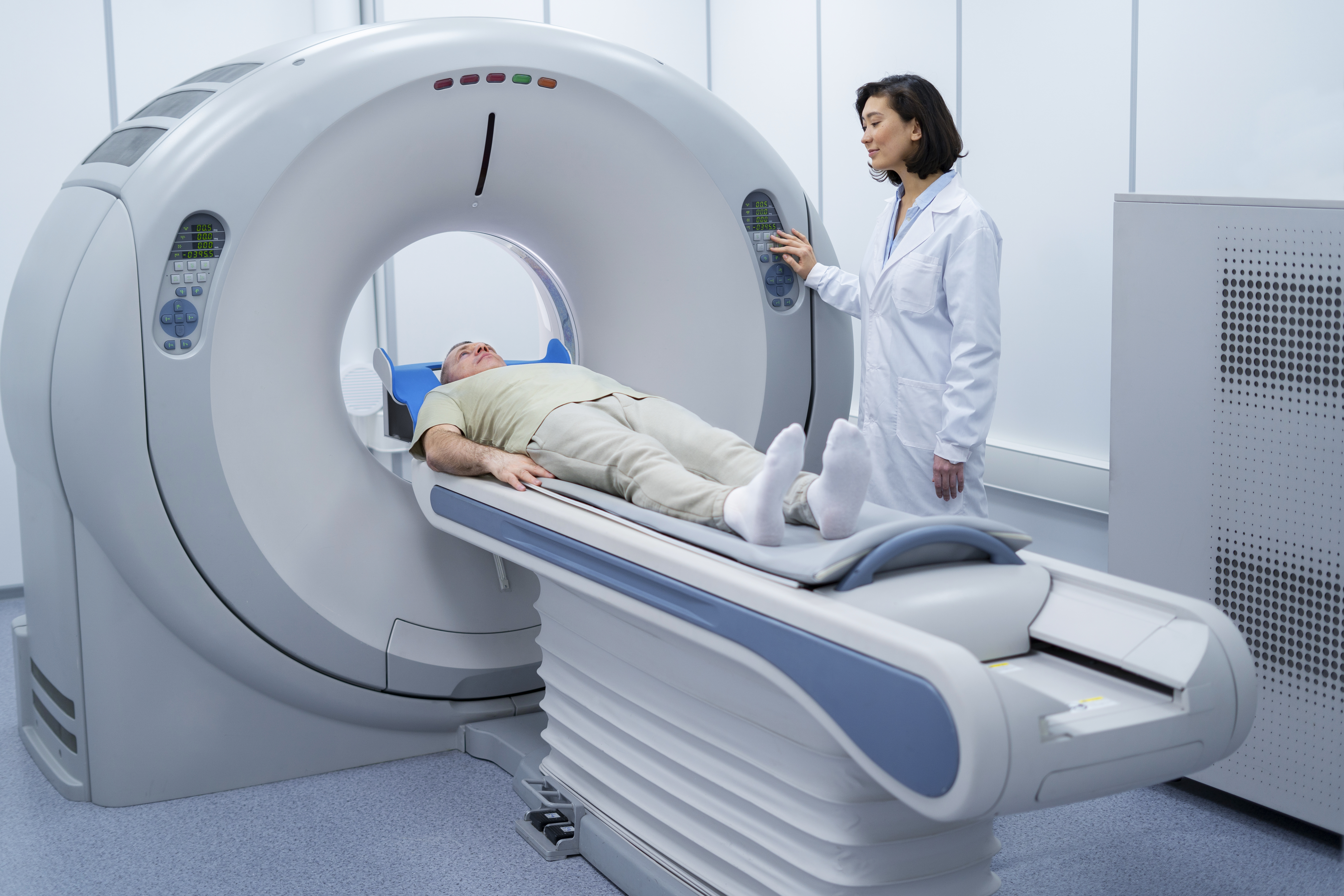
Ultrasound involves lying comfortably while a technician moves a small device over the area being examined — it typically takes 15–30 minutes and requires no recovery time. CT scans involve lying on a table that moves through a large ring-shaped scanner, usually taking just a few minutes, though some scans require a contrast dye for clearer imaging. MRI involves lying inside a tube-shaped scanner for anywhere from 20 minutes to an hour, and the machine does produce loud noises during scanning — most facilities provide earplugs or headphones for comfort.
Do these tests require any special preparation?
Preparation varies by test and by what’s being examined. Some abdominal ultrasounds require fasting beforehand, certain CT scans require contrast dye (and sometimes fasting), and MRI requires removing all metal objects beforehand due to the strong magnetic field. Your doctor or the imaging team will give you specific instructions ahead of your scheduled test, so it’s always worth confirming preparation requirements when you book.
Why having diagnostics in-house matters
One of the most stressful parts of needing a scan is often the logistics — booking separately with an outside imaging center, waiting for results to be sent back to your doctor, and coordinating between multiple locations. Having ultrasound, CT, MRI, 2D echo, and other diagnostic services available on-site means faster results and a more coordinated diagnosis, without the added cost and hassle of visiting a separate facility.
Trust your doctor’s recommendation, but feel free to ask
If you’re ever unsure why a specific scan has been recommended, it’s completely reasonable to ask your doctor to explain what they’re looking for and why that particular test is the right choice for your situation. Understanding the “why” behind your care generally makes the whole process feel far less intimidating.
Our Radiology department offers full in-house diagnostic imaging, helping you get answers faster. Book an appointment or contact us to learn more.
This article is for general information only and is not a substitute for personal medical advice. Please consult your doctor about which diagnostic test is right for your specific situation.