If your doctor has recommended surgery, the word alone can feel intimidating — often because people still picture large incisions and long hospital stays. But many operations today are performed using laparoscopic surgery, a minimally invasive technique that has transformed how common conditions are treated. Understanding how it works can make the decision far less daunting.
What is laparoscopic surgery?
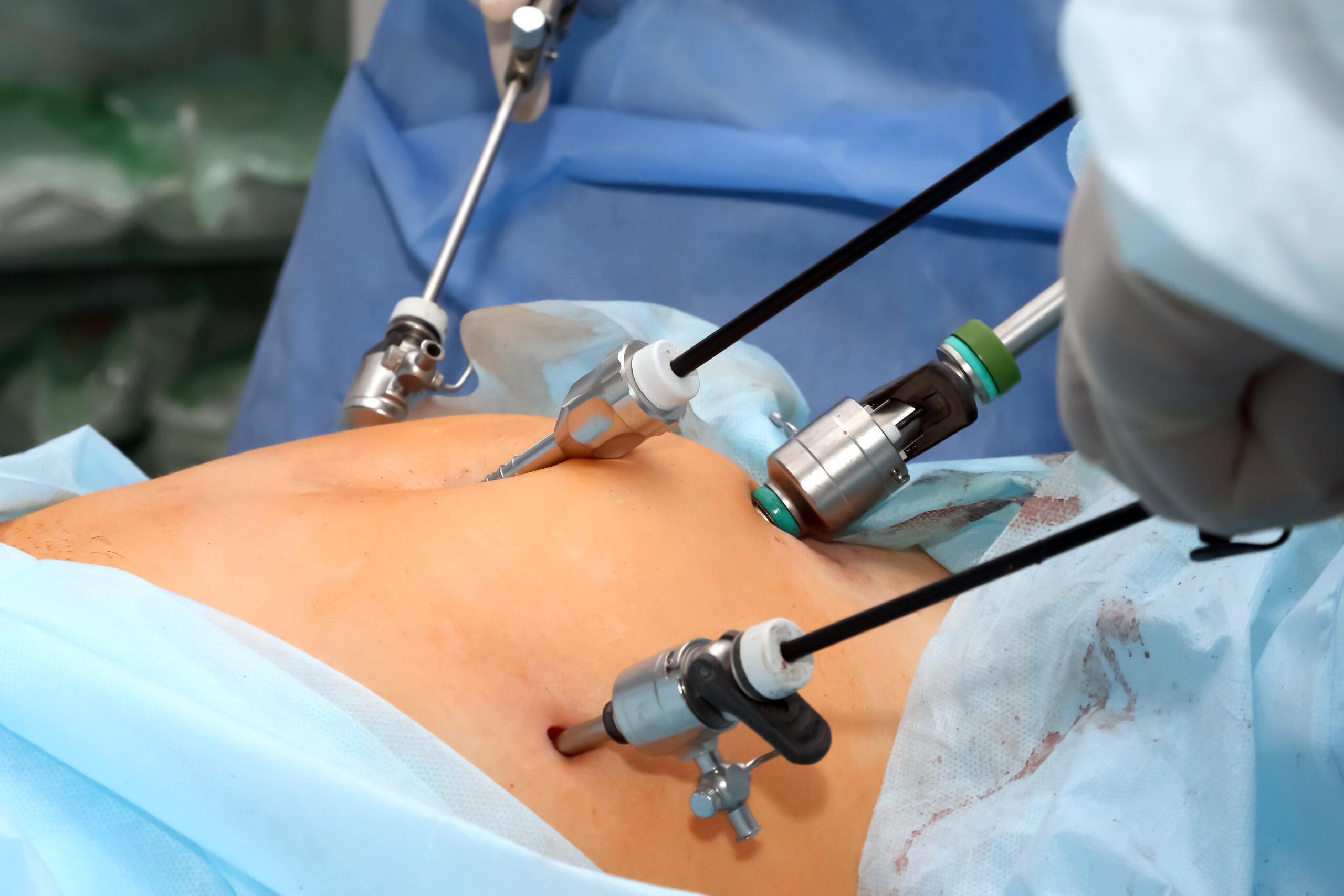
Laparoscopic surgery, often called keyhole surgery, is performed through a few small incisions rather than one large cut. The surgeon inserts a thin tube fitted with a high-definition camera, called a laparoscope, which projects a magnified view of the internal organs onto a screen. Specialised instruments are passed through the other small openings to carry out the procedure with precision. Because the camera magnifies the surgical field, the surgeon can often see and work more accurately than with the naked eye.
Common procedures done laparoscopically
Keyhole techniques are now standard for a wide range of operations, including:
- Gallbladder removal for gallstones
- Appendix removal (appendectomy)
- Hernia repair — read more in our guide to hernia symptoms and treatment
- Many gynaecological procedures, such as ovarian cyst removal, treatment of endometriosis, and certain hysterectomies
- Diagnostic surgery, where the cause of unexplained abdominal or pelvic pain needs to be investigated
The benefits of a minimally invasive approach
The advantages of laparoscopic surgery over traditional open surgery are significant and well established:
- Smaller incisions mean much smaller scars.
- Less post-operative pain, as there is less cutting of muscle and tissue.
- Shorter hospital stay — many procedures allow discharge within a day or two.
- Faster recovery, so patients return to work and daily life sooner.
- Lower risk of wound infection and other complications associated with large incisions.
- Less blood loss during the procedure.
These benefits are why keyhole surgery is often the preferred option when it is medically suitable.
What to expect during recovery
Recovery is generally quicker than with open surgery, but it still requires care. Most patients experience some soreness around the incision sites and mild shoulder discomfort for a day or two, caused by the gas used to inflate the abdomen during surgery — this passes naturally. You will usually be encouraged to walk soon after the procedure to aid circulation and recovery. Your surgeon will give specific advice on wound care, diet, and when you can resume activities like driving, exercise, and heavy lifting.
Following your discharge instructions closely and attending follow-up appointments are the two most important things you can do for a smooth recovery.
Is laparoscopic surgery right for you?
Not every patient or condition is suitable for the keyhole approach. Factors such as the type and complexity of your condition, previous surgeries, and your overall health all influence the decision. In some cases, a surgeon may begin laparoscopically and switch to open surgery if needed for safety — this is a normal precaution, not a complication. The best way to know your options is a proper evaluation, which may include imaging to plan the procedure; our overview of ultrasound, CT, and MRI scans explains what these involve.
Consult the right specialist
For abdominal conditions like hernia, gallstones, or appendicitis, an experienced general surgeon in Anna Nagar can assess whether a minimally invasive approach suits you. For women’s health conditions that may need surgery — such as ovarian cysts, fibroids, or endometriosis — a gynaecologist and obstetrician in Anna Nagar will guide you through the safest, most effective option.
Modern surgery is about treating your condition effectively while getting you back to normal life as quickly as possible. To discuss your options, contact NIMS Micro Hospitals or call +91 80784 99444.