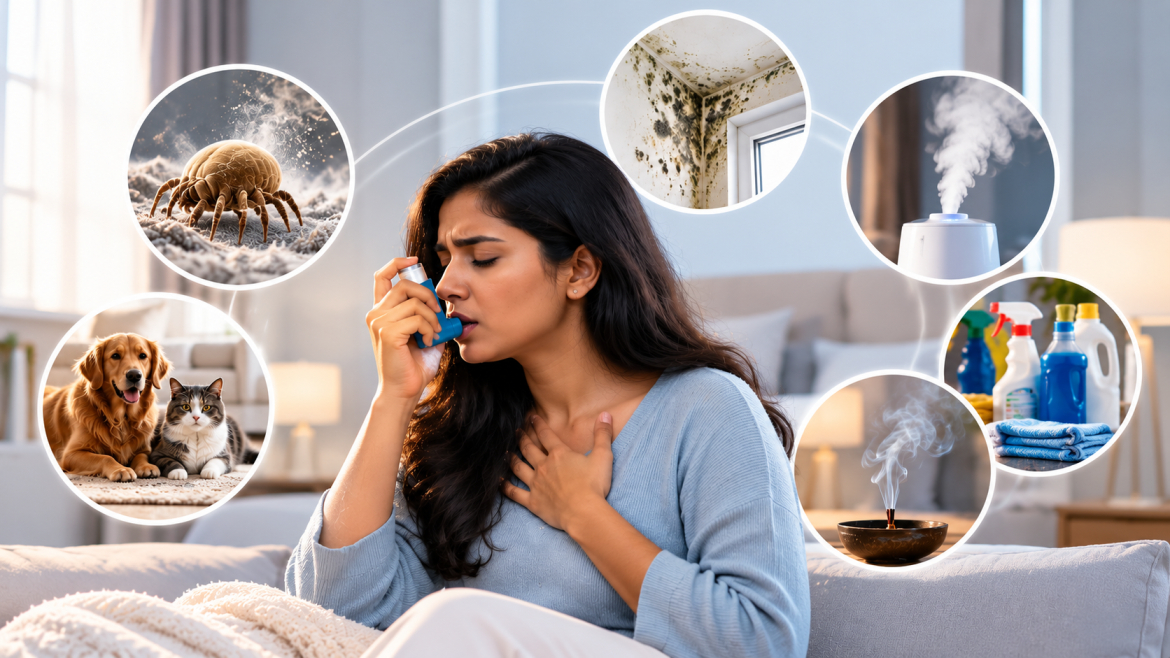
Breathing comfortably at home may seem natural, but indoor conditions can sometimes make life difficult for people with asthma. A dusty bedroom, a damp bathroom, smoke from cooking or even the products used during routine cleaning may contribute to coughing, wheezing or chest discomfort in susceptible individuals.
Asthma affects the airways that carry air into and out of the lungs. In people with this condition, the airways can become inflamed and overly sensitive to certain substances or environmental changes. When symptoms flare up, breathing may become uncomfortable, particularly during the night, early morning or after exposure to a specific trigger.
The challenge is that household triggers are not always easy to recognise. A person might blame the weather for repeated breathing difficulties without realising that a damp wall or a strong cleaning product is contributing to the problem.
Learning how different indoor conditions affect your breathing can help you make practical changes at home. This guide explores common household asthma triggers, ways to reduce exposure and signs that indicate the need for medical attention.
Why Can Indoor Conditions Worsen Asthma?
Asthma does not affect everyone in the same way. Some people are sensitive to allergens, while others react to smoke, chemical fumes, cold air or respiratory infections. Several triggers may also affect the same person at different times.
When a trigger causes an asthma flare-up, the airways may swell, the surrounding muscles may tighten and excess mucus may develop. These changes restrict airflow and can lead to coughing, wheezing, breathlessness or a feeling of tightness in the chest.
Not every substance that irritates the lungs is an allergen. For example, smoke and strong chemical fumes can aggravate sensitive airways without causing a typical allergic reaction.
Recognising a possible connection between an exposure and your symptoms is useful, but it does not establish the cause by itself. A healthcare professional can help assess recurring symptoms and determine whether allergy testing or lung function tests may be appropriate.
1. Dust Accumulation and Microscopic Dust Mites
Dust can build up gradually in places that receive little attention during everyday cleaning. Mattresses, pillows, curtains, carpets, fabric sofas and storage areas are common places where dust particles collect.
One component of household dust is dust mite material. Dust mites are tiny organisms that feed on shed skin particles and commonly live in bedding and upholstered furnishings. Their waste and body fragments can trigger allergic symptoms in people who are sensitive to them.
For someone with asthma linked to dust mite allergy, the bedroom may be an important area to address because exposure can continue for several hours while sleeping.
Practical ways to reduce dust exposure
- Wipe furniture and shelves with a damp cloth to limit the amount of dust stirred into the air.
- Wash bedding regularly and allow it to dry completely before use.
- Consider mattress and pillow covers designed to reduce dust mite exposure if this allergen is relevant to your condition.
- Keep unnecessary fabric items and clutter away from the sleeping area.
- Use a suitable vacuum cleaner on carpets and upholstered furniture.
- Avoid staying in the room while heavy dusting or cleaning is taking place if these activities trigger your symptoms.
Cleaning routines should be adjusted to individual needs. Removing dust from every surface is not always necessary; focusing on places where allergens collect and where symptoms are most noticeable may be more practical.
2. Damp Walls, Excess Moisture and Indoor Mould
Moisture problems can affect indoor air quality, particularly in rooms that receive little ventilation. Water leaks, condensation and damp materials can encourage mould growth. High humidity may also create favourable conditions for dust mites.
Mould releases tiny particles into the environment as it grows. In some people, exposure to mould can aggravate asthma or contribute to allergic symptoms.
Bathrooms, kitchens, closed cupboards and areas behind furniture are worth checking when a home has persistent dampness. Mould may also develop in places that are not immediately visible.
How to manage dampness at home
Start by identifying where moisture is coming from. Repair leaking pipes, address roof leaks and dry wet materials as soon as possible. Use bathroom and kitchen exhaust fans where available, and maintain air-conditioning equipment according to the manufacturer’s instructions.
If the indoor environment remains humid, a properly maintained dehumidifier may help. Avoid leaving wet clothes or damp household items in enclosed spaces for long periods.
Visible mould should not simply be covered with paint while the moisture problem remains. Extensive growth or mould associated with substantial water damage may require professional removal.
People whose asthma worsens around mould should avoid disturbing large affected areas themselves. Cleaning can release particles into the air and may expose them to additional irritants.
3. Cats, Dogs and Other Household Animals
Living with pets may be enjoyable, but animals can be a source of allergens for some people. These allergens may be present in skin flakes, saliva and urine. They can settle on bedding, carpets and furniture or remain suspended in indoor air.
This means that pet hair is not necessarily the main problem. Allergens associated with an animal can spread around the home even when visible hair is limited.
If you notice repeated sneezing, itchy eyes, coughing or breathing difficulties after contact with an animal, discuss the pattern with a healthcare professional. Allergy testing may be considered when the medical history suggests a possible animal allergy.
Steps that may help reduce exposure
Keep pets away from pillows and bedding, particularly if symptoms are worse overnight. Clean areas where animals rest, wash your hands after handling them and consider keeping the bedroom as an animal-free space.
A portable air cleaner with a suitable HEPA filter may help reduce airborne particles, although it cannot remove every allergen from a home.
There is no single approach that works for every pet owner. Decisions about keeping an animal should take into account the person’s sensitivity, symptom severity and response to other exposure-reduction measures.
4. Cooking Smoke, Incense and Mosquito Coils
Everyday activities can release substances that irritate the respiratory tract. Smoke from cigarettes, incense sticks, mosquito coils and indoor burning can be troublesome for people with asthma. Cooking fumes may also contribute to discomfort, particularly when ventilation is poor.
Some people develop symptoms shortly after entering a smoky room. Others may notice a gradual increase in coughing or chest tightness after repeated exposure.
Make indoor air less irritating
Keep indoor spaces smoke-free and avoid burning incense or mosquito coils inside rooms where people spend long periods. Use suitable kitchen ventilation while cooking, especially when frying or preparing food that produces substantial smoke.
If a family member smokes, ask them to smoke outdoors and away from doors and windows. Opening a window alone may not prevent smoke from entering other parts of the house.
Fragranced products should not be used to cover smoky smells. They can introduce additional substances that may irritate sensitive airways.
5. Cleaning Sprays, Perfumes and Chemical Fumes
Cleaning products are designed to remove dirt and germs, but certain ingredients can irritate the airways. Strong disinfectants, aerosol sprays, perfumes, air fresheners and some detergents may cause coughing or breathing discomfort in susceptible individuals.
Exposure can be greater when a product is sprayed repeatedly in a small room or used without adequate ventilation.
Safer cleaning habits
Choose products with little or no fragrance when strong smells trigger symptoms. Follow the instructions on the label, use only the recommended amount and ventilate the room appropriately.
Never mix cleaning chemicals unless the product instructions specifically permit it. In particular, mixing bleach with ammonia or acidic cleaners can release dangerous gases.
If cleaning repeatedly causes wheezing or breathlessness, avoid further exposure and discuss the problem with a healthcare professional. Persistent or severe symptoms should not be managed simply by switching brands without evaluating the underlying issue.
6. Cockroaches and Other Indoor Pests
Household pests can affect indoor air quality in ways that are not immediately obvious. Cockroach droppings, saliva and body fragments contain substances that can trigger allergic reactions in some people with asthma.
These materials may accumulate in kitchens, food storage areas and places where pests hide. The problem can be more difficult to control when food scraps, moisture or entry points remain accessible.
To reduce pest-related exposure, store food securely, clean spills promptly, remove rubbish regularly and repair leaks that create damp hiding places. Sealing gaps around suitable entry points may also help.
Be cautious with insect sprays and chemical pest-control products. Their fumes can irritate the airways, so follow product instructions and minimise exposure during treatment. Persistent pest problems may require a control method that avoids unnecessary airborne chemicals.
7. Air Conditioning, Cold Air and Sudden Temperature Changes
Some people notice asthma symptoms when exposed to cold, dry air or when moving quickly between environments with different temperatures. Air conditioning may also become a concern if filters are poorly maintained or if cold airflow directly irritates a sensitive person.
However, air conditioning does not automatically cause asthma. Its effect depends on the individual, the condition of the equipment and other environmental factors.
If cold air appears to trigger your symptoms, avoid direct exposure where practical and follow your prescribed asthma action plan. Keep filters and equipment maintained according to the manufacturer’s recommendations.
Pay attention to patterns rather than assuming that every episode is caused by temperature. Dust, mould, smoke and other triggers may be present at the same time.
8. Poor Ventilation and Indoor Air Pollution
Indoor air can contain pollutants from cooking, cleaning, building materials and smoke. Outdoor pollution can also enter through open doors and windows. When pollutants accumulate, they may aggravate symptoms in people with sensitive airways.
Ventilation needs to be balanced with outdoor conditions. Opening windows may help remove indoor fumes when outdoor air is clean, but it may introduce pollen or pollution when levels outside are high.
Improve the quality of indoor air
Use kitchen exhaust ventilation where possible and maintain air-conditioning filters as recommended. Avoid burning materials indoors, and reduce exposure to smoke and fumes.
A portable air cleaner fitted with a properly sized HEPA filter can reduce certain airborne particles. However, it will not remove every gas or chemical vapour, and it cannot replace adequate ventilation or control of the source.
The aim is not to create a completely sterile environment. It is to identify the pollutants that matter most and reduce unnecessary exposure.
How to Work Out Which Household Trigger Affects You
Trying to remove every possible trigger from your home can become expensive and overwhelming. A more useful starting point is to observe when symptoms occur and identify repeated patterns.
Keep a simple record of the following:
- The time of day when coughing, wheezing or breathlessness begins.
- Whether symptoms occur during sleep, after waking or while cleaning.
- Contact with animals, smoke, damp areas, dust or strong fragrances.
- Recent respiratory infections, outdoor activities or weather changes.
- How often you use prescribed reliever medication and whether your symptoms improve.
Your doctor may recommend a peak flow meter if monitoring airflow is appropriate for your asthma. Allergy testing may also help in selected cases, but a positive result must be considered alongside your symptoms and medical history.
Avoid buying expensive air-cleaning equipment or making major household changes before identifying the likely source of the problem. Targeted measures are often more practical than attempting to eliminate every possible exposure.
Can Household Changes Replace Asthma Medication?
Reducing exposure to a confirmed trigger may help prevent some asthma flare-ups, but it does not replace medical treatment. Asthma control often requires a combination of prescribed medication, correct inhaler technique, trigger management and regular review.
If you experience frequent night-time coughing, repeated wheezing, limitations during normal activities or a growing need for reliever medication, arrange a medical assessment. Your treatment plan may need to be reviewed.
Do not stop prescribed inhalers or change medication doses without guidance from your healthcare professional.
Severe breathlessness, difficulty speaking because of breathing problems, blue or grey lips, confusion or rapidly worsening symptoms require emergency medical attention. Follow your asthma action plan and seek urgent help.
Simple Changes for a More Asthma-Friendly Home
You do not need to change everything at once. Begin with the household conditions most likely to affect your breathing. Keep bedding clean, repair moisture problems, limit indoor smoke, choose less irritating cleaning products and maintain ventilation equipment.
If symptoms continue despite these steps, consider whether another trigger or an issue with asthma treatment may be involved. A healthcare professional can help you develop a plan suited to your symptoms and living environment.
Recognising the difference between a possible trigger and a confirmed cause is important. Careful observation, appropriate medical evaluation and consistent management can help people with asthma make better decisions about their indoor surroundings.
Asthma Treatment in Trivandrum at NIMS Micro Hospitals
Repeated coughing, wheezing and breathing discomfort should not automatically be attributed to dust or household allergies. Other respiratory conditions can cause similar symptoms, so an appropriate medical assessment is important when problems persist.
For people searching for Asthma Treatment in Trivandrum, NIMS Micro Hospitals in Thiruvananthapuram can be contacted to enquire about available respiratory consultation services. A qualified healthcare professional can assess symptoms, discuss possible triggers and advise on suitable treatment and follow-up based on the individual’s needs.